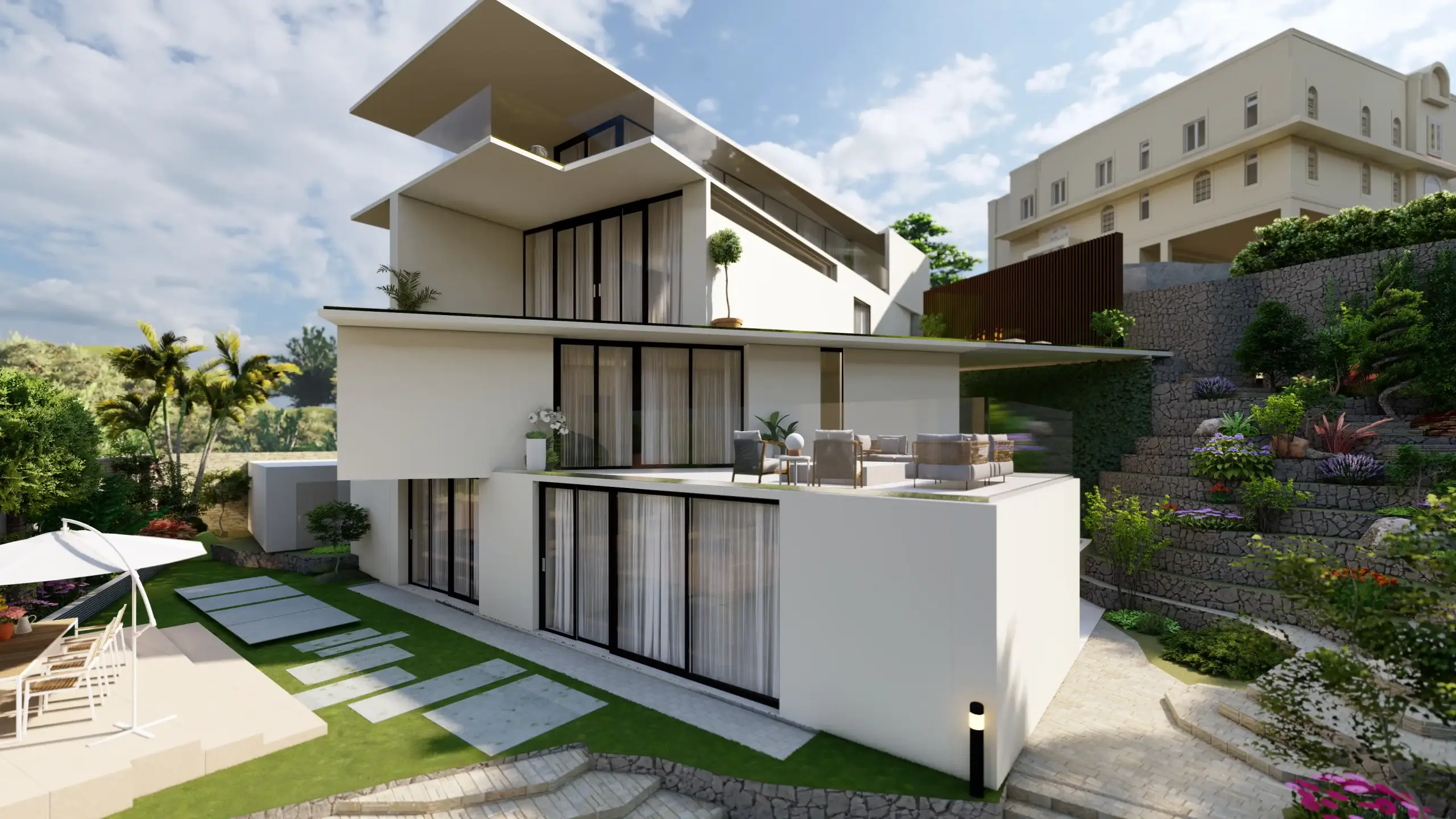
JK Associates Featured by MeroSathi TV for GVZ Design Excellence

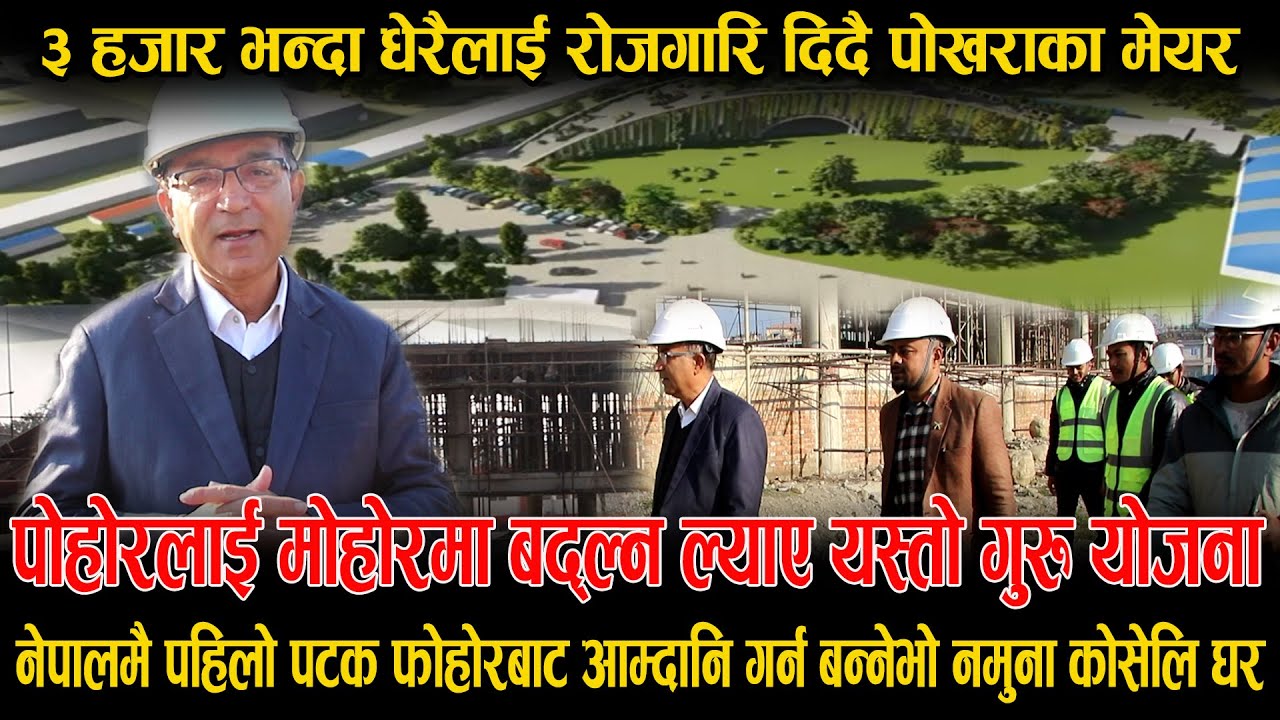
JK Associates is proud to share that our Green Venture Zone (GVZ) project in Pokhara has been featured in a recent video by MeroSathi TV, highlighting the vision, execution, and community impact of this landmark initiative.

The feature brings wider attention to the Green Venture Zone (GVZ), a flagship project under the Green Job Creation through Recycling and Upcycling (GCRU) initiative showcasing how sustainable design can drive both environmental and economic value at the local level.

In addition to this media recognition, we are deeply honored to have received formal acknowledgment from the Mayor of Pokhara, Dhanraj Acharya, for our design excellence on the project. This recognition from Pokhara Metropolitan City reinforces the importance of thoughtful, sustainability-driven architecture in shaping the future of urban Nepal.

The GVZ project exemplifies JK Associates’ commitment to:

  • Advancing environmentally responsible design practices
  • Supporting green job creation through recycling and upcycling
  • Building infrastructure that benefits both communities and ecosystems

We extend our sincere gratitude to Pokhara Metropolitan City and all stakeholders involved for their continued trust and collaboration. Being both publicly featured and officially recognized is a meaningful milestone that motivates us to further our mission.

JK Associates remains dedicated to creating architecture that inspires, uplifts, and contributes to a more sustainable and inclusive future.

Why Low-Carbon Design Is Becoming Essential in Architectural Projects

The built environment is responsible for a significant portion of global carbon emissions. As climate challenges intensify and environmental regulations evolve, the architecture and construction industries are being called to rethink traditional practices. Low-carbon design is no longer a niche approach; it is rapidly becoming a fundamental requirement in modern architectural projects.

From residential developments to large-scale commercial and hospitality projects, low-carbon strategies are shaping a more resilient and responsible future.

Understanding Low-Carbon Design

Low-carbon design focuses on reducing both operational and embodied carbon throughout a building’s lifecycle.

  • Operational carbon refers to emissions generated through energy use — heating, cooling, lighting, and equipment.
  • Embodied carbon includes emissions from material extraction, manufacturing, transportation, and construction processes.

A comprehensive low-carbon strategy addresses both, ensuring that environmental impact is minimized from concept to completion and beyond.

The Urgency of Climate Responsibility

With increasing global attention on climate change, governments and regulatory bodies are introducing stricter environmental standards. Developers, investors, and clients are prioritizing sustainability as a key decision-making factor.

Low-carbon architecture responds directly to:

  • Net-zero emission targets
  • Carbon taxation and regulatory frameworks
  • Rising energy costs
  • Environmental, Social, and Governance (ESG) commitments

Forward-thinking firms recognize that proactive design solutions are more cost-effective and impactful than reactive compliance.

Smarter Material Selection

Material choice plays a crucial role in reducing embodied carbon. Architects are increasingly specifying materials that are renewable, recycled, or locally sourced.

Key strategies include:

  • Using sustainably harvested timber
  • Incorporating recycled steel and concrete alternatives
  • Choosing low-carbon cement substitutes
  • Prioritizing locally sourced materials to reduce transport emissions

Thoughtful material specification not only lowers carbon output but also enhances durability and performance.

Passive Design for Energy Efficiency

One of the most effective ways to reduce operational carbon is through passive design strategies. By optimizing building orientation, insulation, and ventilation, architects can significantly decrease reliance on mechanical systems.

Core passive strategies include:

  • Maximizing natural daylight
  • Designing for cross-ventilation
  • Enhancing thermal insulation
  • Implementing shading systems
  • Optimizing building envelope performance

These measures reduce energy demand before renewable technologies are even introduced.

Integrating Renewable Energy Systems

Low-carbon architecture often incorporates on-site renewable energy solutions to further reduce emissions.

Examples include:

  • Solar photovoltaic systems
  • Solar thermal heating
  • Geothermal energy solutions
  • Energy storage technologies

When paired with energy-efficient design, renewable systems can move projects closer to net-zero performance.

Long-Term Economic Value

While low-carbon strategies may require initial investment, they offer substantial long-term financial benefits:

  • Reduced operational costs
  • Increased asset value
  • Greater resilience to energy price fluctuations
  • Enhanced marketability

Investors and clients increasingly view low-carbon design as a safeguard against future regulatory and economic risks.

Enhancing Brand Reputation and Client Trust

Sustainability has become a defining factor in brand perception. Organizations and developers that prioritize low-carbon architecture demonstrate leadership and responsibility.

Projects designed with carbon-conscious strategies:

  • Strengthen stakeholder confidence
  • Attract environmentally aware clients
  • Align with global sustainability benchmarks
  • Enhance corporate reputation

In today’s competitive landscape, environmental integrity is a strategic advantage.

Building for the Future

Low-carbon design is not simply about reducing emissions, it represents a shift in architectural philosophy. It challenges designers to think holistically about environmental impact, resource efficiency, and long-term resilience.

As climate challenges intensify, architectural projects must move beyond aesthetics and functionality to embrace responsibility. Low-carbon design ensures that buildings contribute positively to both the environment and society.

The future of architecture lies in innovation that balances performance, beauty, and sustainability. By embedding low-carbon principles at the core of every project, we build not just structures, but a legacy of responsible progress.

How Modern Architecture Is Shifting Toward Low-Carbon Design

The global hospitality industry is undergoing a powerful transformation. As environmental consciousness rises and travelers seek more meaningful connections with the places they visit, sustainable architecture has emerged as a defining force in shaping the next generation of resort experiences.

Today, luxury is no longer measured solely by opulence; it is defined by responsibility, authenticity, and harmony with nature. Sustainable architecture is leading this evolution, redefining how resorts are designed, built, and experienced.

The New Definition of Resort Luxury

Modern travelers value experiences that are immersive, ethical, and environmentally conscious. Sustainable architecture answers this demand by integrating high-performance design strategies with natural beauty.

Rather than imposing structures onto landscapes, forward-thinking resort design works with:

  • Local climate and topography
  • Indigenous materials and craftsmanship
  • Renewable energy systems
  • Passive cooling and daylighting strategies
  • Low-impact construction techniques

Luxury now lies in thoughtful simplicity, spaces that feel open, natural, and deeply connected to their surroundings.

Designing With Nature, Not Against It

Sustainable resort architecture begins with respect for the site. Every terrain, whether coastal, mountainous, desert, or forested, offers unique opportunities for design innovation.

Key strategies include:

  • Preserving existing ecosystems and vegetation
  • Minimizing land disturbance
  • Utilizing natural contours for structural integration
  • Orienting buildings for optimal energy performance

By allowing nature to guide architectural decisions, resorts become extensions of their environments rather than interruptions.

Elevating Guest Well-being Through Biophilic Design

At the heart of sustainable resort design is the concept of biophilia — the innate human connection to nature. Architecture that embraces this principle enhances physical and emotional well-being.

Features such as:

  • Expansive natural lighting
  • Cross-ventilation for fresh air flow
  • Open courtyards and water elements
  • Organic textures and materials

create restorative environments that promote relaxation and rejuvenation.

Guests are no longer just visitors, they become participants in a carefully curated natural experience.

Environmental Responsibility Meets Operational Efficiency

Sustainable architecture benefits not only the environment but also the long-term viability of resort operations. Energy-efficient systems and water management strategies significantly reduce operational costs and environmental impact.

Forward-looking resorts incorporate:

  • Solar energy integration
  • Rainwater harvesting and greywater recycling
  • Smart building management systems
  • High-performance insulation and glazing
  • Locally sourced, durable materials

These measures reduce carbon footprints while enhancing performance and profitability.

Strengthening Cultural and Community Connections

True sustainability extends beyond environmental metrics. It includes social and cultural responsibility. Resort architecture that integrates regional design language, supports local artisans, and sources materials responsibly creates authentic guest experiences.

This approach:

  • Preserves cultural identity
  • Stimulates local economies
  • Encourages community engagement
  • Builds long-term regional partnerships

Resorts become more than destinations; they become contributors to local development.

Building Resilience for the Future

Climate change and shifting environmental regulations demand resilience in hospitality design. Sustainable architecture prepares resorts to withstand environmental challenges through adaptive and forward-thinking solutions.

This includes:

  • Climate-responsive building envelopes
  • Elevated structures in flood-prone areas
  • Durable, low-maintenance materials
  • Energy independence through renewables

Future-ready design protects both the environment and the investment.

A Competitive Edge in a Conscious Market

Today’s travelers are increasingly selective. Sustainability is no longer an optional feature; it is a decisive factor in destination choice.

Resorts designed with environmental integrity:

  • Enhance brand credibility
  • Attract eco-conscious travelers
  • Strengthen long-term loyalty
  • Differentiate themselves in a competitive market

Sustainable architecture offers both ethical alignment and strategic advantage.

Transforming the Resort Experience

The future of resort experiences lies in spaces that inspire, restore, and respect the planet. Sustainable architecture transforms resorts into immersive environments where innovation meets responsibility.

By blending environmental intelligence, cultural sensitivity, and design excellence, we create destinations that are regenerative rather than extractive.

The resorts of tomorrow will not simply occupy landscapes, they will harmonize with them, protect them, and elevate the human experience within them.

Sustainability is not just shaping the future of resorts, it is redefining it.

How Sustainable Architecture Transforms the Future of Resort Experiences

In today’s evolving hospitality landscape, sustainability is no longer a trend; it is a responsibility. As environmental awareness grows and travelers seek more meaningful experiences, sustainable architecture is redefining what luxury truly means. For resorts, this transformation goes beyond aesthetics; it shapes guest experiences, operational efficiency, and long-term environmental impact.

At its core, sustainable architecture integrates environmental sensitivity, cultural context, and innovative design to create spaces that are both inspiring and responsible. In the resort industry, this approach is revolutionizing how destinations are imagined, built, and experienced.

Redefining Luxury Through Sustainability

Modern travelers increasingly value authenticity, wellness, and ecological responsibility. Sustainable resorts answer this demand by merging comfort with conscious design. Instead of excessive resource consumption, the new benchmark for luxury includes:

  • Energy-efficient buildings
  • Renewable energy integration
  • Natural ventilation and daylight optimization
  • Locally sourced materials
  • Minimal environmental footprint

True luxury today lies in harmony, where architecture complements its surroundings rather than competing with them.

Designing in Harmony with Nature

Sustainable resort architecture begins with a deep understanding of the site. Topography, climate, vegetation, and cultural heritage inform every design decision. Instead of reshaping the land, architects work with it.

This approach includes:

  • Preserving existing landscapes and biodiversity
  • Orienting structures for passive solar gain and cooling
  • Using green roofs and native landscaping
  • Minimizing land disturbance during construction

When buildings blend seamlessly with their environment, guests experience a stronger connection to place, whether nestled in mountains, along coastlines, or within forested retreats.

Enhancing Guest Experience Through Biophilic Design

Biophilic design principles play a crucial role in sustainable resort architecture. By incorporating natural light, water features, organic materials, and open-air spaces, resorts create environments that promote relaxation and well-being.

Guests benefit from:

  • Improved air quality
  • Reduced stress levels
  • Enhanced comfort
  • A deeper emotional connection to nature

Sustainable architecture transforms resorts into restorative sanctuaries rather than just accommodations.

Energy Efficiency and Operational Excellence

Beyond environmental responsibility, sustainable design also improves operational performance. Smart building systems, efficient insulation, renewable energy sources, and water recycling systems significantly reduce long-term costs.

Key sustainable strategies include:

  • Solar and wind energy integration
  • Rainwater harvesting systems
  • Greywater recycling
  • High-performance glazing and insulation
  • Smart lighting and HVAC controls

Lower operational costs allow resort operators to reinvest in guest services while maintaining environmental accountability.

Supporting Local Communities and Culture

Sustainability extends beyond environmental factors; it includes social and cultural responsibility. Resort architecture that incorporates local craftsmanship, traditional design elements, and regionally sourced materials supports local economies and preserves cultural identity.

This approach creates authentic experiences for guests while fostering community development and long-term regional growth.

Future-Proofing Resort Developments

Climate change, resource scarcity, and evolving regulations demand forward-thinking solutions. Sustainable architecture future-proofs resort investments by:

  • Increasing resilience against extreme weather
  • Reducing dependency on non-renewable resources
  • Meeting international green building standards
  • Enhancing brand reputation

Resorts designed with sustainability at their core are better equipped to adapt to environmental and economic changes.

The Competitive Advantage of Sustainable Design

Today’s travelers actively choose destinations aligned with their values. Sustainable architecture provides a strong competitive edge by differentiating resorts in a crowded marketplace. Transparency in environmental practices builds trust and strengthens brand loyalty.

Sustainability is no longer optional, it is a defining factor in guest decision-making.

Shaping the Resorts of Tomorrow

The future of resort experiences lies in thoughtful, responsible design. Sustainable architecture transforms resorts into immersive environments that celebrate nature, culture, and innovation simultaneously.

By integrating environmental intelligence with architectural creativity, we create destinations that are not only visually stunning but also regenerative and resilient.

At its best, sustainable resort architecture does more than reduce impact, it enriches the land, empowers communities, and elevates the guest experience.

The resorts of tomorrow will not just exist within nature, they will belong to it.

Environmental Sustainability and Its Impact on Modern Construction Choices

Environmental sustainability has moved from being an optional consideration to a defining factor in modern architectural practice. As the construction industry faces increasing pressure to reduce environmental impact, architects are re-evaluating how buildings are designed, materialized, and constructed. Today, sustainability directly influences construction choices, structural systems, material selection, and long-term building performance.

For architecture firms like JK Associates, environmental sustainability is not only about reducing carbon footprints—it is about designing buildings that respond intelligently to climate, resources, and human needs while remaining durable and contextually relevant.

Understanding Environmental Sustainability in Construction

Environmental sustainability in construction refers to the responsible use of resources throughout a building’s lifecycle—from material extraction and construction to operation, maintenance, and eventual reuse or demolition. In architectural terms, this means designing buildings that minimize energy consumption, reduce waste, and adapt to their environment rather than working against it.

In Nepal, where construction is shaped by seismic risk, climatic variation, and rapid urbanization, sustainability plays a crucial role in ensuring buildings remain safe, efficient, and long-lasting.

How Sustainability Is Reshaping Construction Decisions

Material Selection Based on Environmental Performance

Modern construction choices increasingly prioritize materials with low embodied energy, durability, and recyclability. Architects are moving away from resource-intensive materials toward locally sourced, sustainable alternatives that perform better over time and reduce environmental impact.

Design for Climate Responsiveness

Sustainable architecture emphasizes passive design strategies such as orientation, shading, ventilation, and thermal mass. These decisions directly influence construction methods and material choices, reducing dependence on mechanical systems while improving occupant comfort.

Structural Efficiency and Resource Optimization

Environmental sustainability encourages doing more with less. Structural systems are being optimized to reduce material usage without compromising strength or safety. This approach leads to leaner, more efficient construction that minimizes waste and cost.

The Role of Sustainable Materials in Modern Construction

Material choice is one of the most impactful construction decisions architects make. Sustainable materials contribute to:

  • Reduced carbon emissions during production
  • Improved durability and resistance to environmental stress
  • Better indoor environmental quality
  • Lower maintenance and operational costs

Materials such as engineered timber, stabilized earth blocks, blended concrete, recycled steel, and locally sourced masonry are increasingly shaping contemporary construction practices—especially in regions where environmental responsiveness is essential.

Sustainability and Structural Performance

Environmental sustainability is closely linked to structural performance. Materials that respond well to moisture, temperature changes, and seismic forces tend to experience less degradation over time. By choosing materials compatible with local conditions, architects can reduce issues such as cracking, corrosion, and premature failure.

This alignment between sustainability and performance reinforces the idea that environmentally responsible construction often leads to stronger, more resilient buildings.

Construction Methods Influenced by Sustainability

Sustainability has also influenced how buildings are constructed, not just what they are made of. Modern construction methods now focus on:

  • Prefabrication and modular systems to reduce waste
  • Efficient site management to minimize environmental disturbance
  • Adaptive reuse of existing structures
  • Lifecycle-based planning rather than short-term solutions

These approaches help reduce environmental impact while improving construction quality and efficiency.

The Architect’s Role in Sustainable Construction Choices

Architects are central to translating sustainability goals into practical construction decisions. This requires balancing design intent, structural requirements, environmental responsibility, and client needs.

At JK Associates, sustainability informs decisions from the earliest design stages—ensuring that construction choices support durability, performance, and environmental stewardship. Through integrated design and close coordination with engineers and consultants, sustainable principles are embedded into the built form rather than added later.

Long-Term Benefits of Sustainable Construction Choices

Environmentally sustainable construction delivers lasting value by:

  • Extending building lifespan
  • Reducing energy and maintenance costs
  • Enhancing occupant comfort and health
  • Minimizing environmental impact over time

These benefits demonstrate that sustainability is not a constraint, but a strategic framework for better architecture.

Conclusion

Environmental sustainability has a profound impact on modern construction choices, shaping how buildings are designed, materialized, and constructed. As environmental challenges grow, architects must respond with informed, responsible decisions that balance innovation with context.

For architecture firms like JK Associates, sustainability is a guiding principle—one that leads to construction choices that are efficient, resilient, and aligned with the future of the built environment. By integrating environmental responsibility into every stage of design and construction, architects can create buildings that serve both people and the planet.

How Structural Failures in Steel Buildings Teach Us to Choose Better Materials

Steel has long been considered one of the most reliable materials in modern construction. Its high strength, flexibility, and adaptability have made it a preferred choice for commercial buildings, industrial structures, and increasingly, large residential projects. However, despite its advantages, structural failures in steel buildings continue to occur, often revealing critical lessons about material selection, detailing, and construction practices.

For architects, these failures are not merely engineering setbacks—they are reminders that material choice must be guided by context, performance, and long-term behavior. Examining why steel structures fail helps architects make more informed decisions and reinforces the importance of choosing materials that align with climate, use, and structural intent.

Understanding Structural Failures in Steel Buildings

Structural failure in steel buildings rarely results from the material itself. Instead, it is usually the outcome of inappropriate material selection, poor detailing, inadequate protection, or construction-stage errors. Common causes include corrosion, connection failure, excessive deflection, fire exposure, and fatigue over time.

In regions like Nepal, where buildings are exposed to seismic activity, humidity, and fluctuating temperatures, steel structures demand careful specification and execution. When these factors are overlooked, even high-strength materials can underperform.

Corrosion: A Primary Cause of Steel Failure

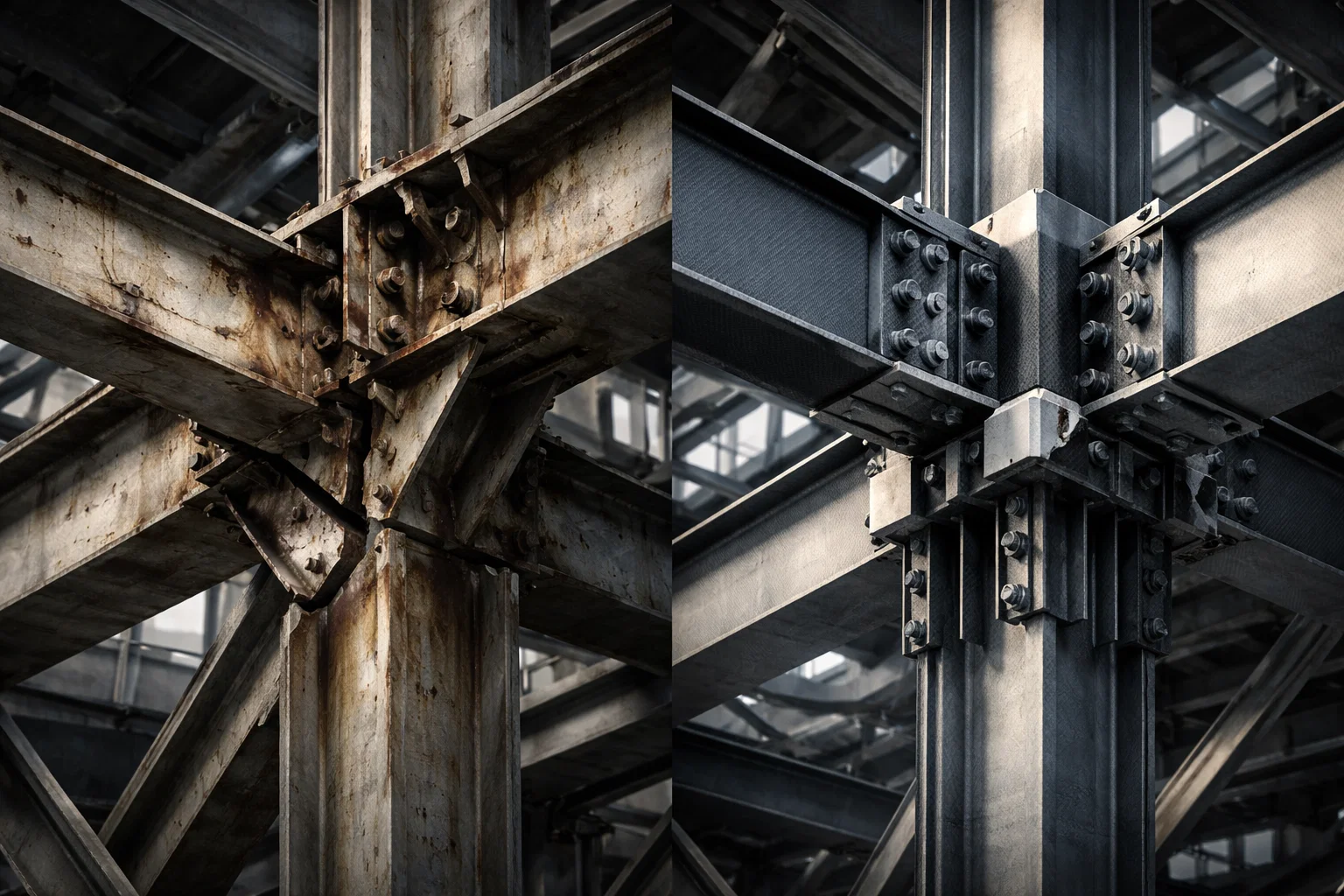
One of the most frequent contributors to steel structural damage is corrosion. Moisture ingress, inadequate coatings, and exposure to aggressive environments gradually weaken steel sections, reducing their load-bearing capacity.

Architectural detailing plays a crucial role here. Poor drainage design, exposed joints, and insufficient weather protection accelerate corrosion. These failures emphasize the need for material systems, not isolated materials—where steel is paired with proper finishes, protective layers, and compatible construction methods.

Connection Failures and Structural Integrity

Steel buildings rely heavily on connections—bolts, welds, and joints that transfer loads across the structure. Many documented failures originate not from the steel members themselves, but from poorly designed or executed connections.

For architects, this highlights the importance of early coordination between architectural design and structural engineering. Material selection must consider not only strength but also how elements connect, expand, and behave under load, especially during seismic events.

Fire Performance and Material Limitations

While steel is non-combustible, it loses strength rapidly when exposed to high temperatures. Structural failures during fires often occur due to insufficient fire protection, such as missing fireproof coatings or inadequate enclosure systems.

These incidents remind architects that choosing steel alone is not enough. Material systems must be evaluated holistically—integrating fire-resistant finishes, compartmentalization strategies, and alternative materials where appropriate.

Lessons for Choosing Better Materials

Structural failures in steel buildings offer valuable lessons that extend beyond steel itself:

Context Matters More Than Popularity

No material is universally ideal. Climate, building use, scale, and maintenance capacity must guide material selection.

Material Performance Over Time Is Critical

Architects must consider how materials age, react to moisture, temperature changes, and structural stress—not just their initial strength.

Hybrid Material Strategies Improve Resilience

Combining steel with concrete, timber, or masonry can improve performance, reduce risk, and enhance durability when designed thoughtfully.

Detailing Is as Important as Material Choice

Even the best materials fail when detailing, protection, and execution are inadequate.

Rethinking Steel Use in Contemporary Architecture

Steel remains a valuable structural material when used appropriately. However, architectural practice today demands critical evaluation rather than default selection. Advances in sustainable materials, engineered timber, and improved concrete technologies offer alternatives that may perform better in certain contexts.

For architects, the goal is not to avoid steel, but to understand its limitations and use it where it performs best, supported by complementary materials and sound detailing.

The Architect’s Responsibility in Preventing Structural Failure

Architects play a central role in preventing structural failures by:

  • Selecting materials suited to local conditions
  • Ensuring proper integration of structural and architectural systems
  • Prioritizing durability, maintenance, and safety
  • Coordinating closely with engineers and contractors

At JK Associates, material decisions are informed by performance, context, and long-term impact—ensuring that structural integrity is achieved through thoughtful design rather than assumptions.

Conclusion

Structural failures in steel buildings are powerful reminders that material strength alone does not guarantee structural success. They teach us to look beyond specifications and focus on performance, compatibility, and execution.

By learning from past failures, architects can make better material choices—creating buildings that are safer, more resilient, and better suited to their environment. For architecture firms like JK Associates, these lessons reinforce a design philosophy rooted in responsibility, precision, and long-term value.


The Growing Importance of Sustainable Materials in Reducing Structural Damage

As Nepal’s built environment continues to evolve, architects are increasingly challenged to design structures that are not only visually compelling but also resilient, durable, and environmentally responsible. With rising concerns around climate change, seismic activity, and material degradation, the choice of construction materials has become a critical factor in long-term structural performance.

Sustainable materials are no longer viewed solely through the lens of environmental responsibility. Today, they play a vital role in reducing structural damage, enhancing building longevity, and improving overall performance. For architecture firms like JK Associates, integrating sustainable materials into design and construction is an essential step toward creating buildings that are both responsible and resilient.

Understanding Structural Damage in the Built Environment

Structural damage can result from a range of factors, including seismic forces, moisture penetration, thermal expansion, material fatigue, and poor construction practices. In Nepal, where buildings are exposed to earthquakes, heavy monsoon rains, and varied climatic conditions, material performance directly impacts structural safety.

Traditional construction methods often relied on locally sourced materials that responded well to the climate. However, rapid urban development and the widespread use of low-quality or incompatible materials have increased the risk of cracking, corrosion, dampness, and long-term structural failure.

This has led architects and engineers to re-evaluate material choices—placing greater emphasis on sustainability, durability, and adaptability.

What Makes a Material “Sustainable” in Structural Design?

Sustainable materials are defined not only by their low environmental impact but also by their structural efficiency and lifecycle performance. In architectural practice, a sustainable material typically offers:

  • High durability with minimal maintenance
  • Resistance to moisture, corrosion, and environmental stress
  • Compatibility with local climate and construction techniques
  • Reduced embodied energy and carbon footprint
  • Long-term structural stability

When selected and detailed correctly, such materials significantly reduce the likelihood of premature structural damage.

How Sustainable Materials Help Reduce Structural Damage

Improved Durability and Longevity

Sustainable materials such as engineered timber, stabilized earth blocks, high-quality brick, and low-carbon concrete are designed to perform over extended periods. Their enhanced durability reduces cracking, deformation, and surface deterioration—common causes of structural weakness.

Better Moisture and Thermal Performance

In Nepal’s monsoon-driven climate, moisture infiltration is a major contributor to structural damage. Sustainable materials often offer superior moisture regulation and thermal stability, minimizing issues such as damp walls, corrosion of reinforcement, and material expansion or contraction.

Enhanced Seismic Performance

Lightweight and flexible materials, when used strategically, can improve a building’s response to seismic forces. Sustainable construction approaches often focus on material efficiency and structural balance, reducing overall building mass and stress during earthquakes.

Reduced Material Degradation

Low-quality construction materials deteriorate quickly, leading to frequent repairs and structural compromise. Sustainable materials are typically tested for performance, ensuring consistent quality and reducing long-term degradation.

Sustainable Materials Commonly Used in Resilient Architecture

In the context of Nepal’s construction landscape, architects are increasingly incorporating:

  • Locally sourced brick and stone, known for durability and climatic compatibility
  • Bamboo and engineered timber, offering flexibility and tensile strength
  • Low-carbon and blended concrete, reducing shrinkage and cracking
  • Recycled steel and metal components improve strength while minimizing corrosion risks
  • Natural finishes and breathable materials, supporting moisture control

These materials, when combined with proper detailing and structural planning, contribute to safer and more resilient buildings.

The Architect’s Role in Material Selection

Material sustainability is not achieved through selection alone—it requires architectural intent and technical understanding. Architects must evaluate how materials interact with structure, climate, and use patterns.

At JK Associates, material selection is approached as a design and performance decision, ensuring that sustainability aligns with structural integrity, aesthetic goals, and long-term usability. By integrating architectural design with engineering coordination, material detailing, and construction supervision, architects can significantly reduce the risk of future structural damage.

Long-Term Benefits of Sustainable Material Use

Beyond structural safety, sustainable materials offer long-term advantages such as:

  • Lower maintenance and repair costs
  • Improved indoor environmental quality
  • Increased building lifespan
  • Reduced environmental impact over the building lifecycle

These benefits reinforce the idea that sustainability is not an added expense, but a strategic investment in quality and resilience.

Conclusion

The growing importance of sustainable materials lies in their ability to protect structures as much as the environment. In a country like Nepal—where buildings must respond to seismic activity, climate challenges, and rapid urban growth—material choice plays a defining role in structural performance.

By prioritizing sustainable materials, architects can design buildings that are safer, longer-lasting, and more responsive to their context. For firms like JK Associates, this approach reflects a commitment to responsible architecture—where thoughtful material selection reduces structural damage and supports a more resilient built future.

The Architectural Evolution of Shared Living in Nepal: From Community Courtyards to Co-Living Spaces

For centuries, architecture in Nepal has been deeply intertwined with community living. Traditional settlements were not merely clusters of houses but carefully planned environments where spatial design encouraged social interaction, cultural continuity, and collective responsibility. Nowhere is this more evident than in the historic settlements of the Kathmandu Valley, where residential architecture evolved around shared courtyards that formed the social and spatial core of everyday life.

As Nepal’s cities expanded and urban density increased, residential architecture gradually shifted toward more private and compact living models. While these changes addressed modern lifestyles and economic realities, they also reduced shared social spaces within the built environment. In response, co-living architecture has emerged as a contemporary reinterpretation of traditional shared living, blending privacy with community through intentional design.

This blog explores the architectural evolution of shared living in Nepal, tracing the transformation from traditional community courtyards to modern co-living spaces and examining how architects today are redefining collective living for an evolving urban context.

Community Courtyards as the Foundation of Nepali Architecture

Traditional Nepali settlements, particularly those shaped by Newa architecture, were organized around open courtyards known as bahas and bahils. These courtyards were not decorative elements; they were essential architectural features that structured daily life. Homes, temples, and communal spaces were arranged around a central open area, creating a strong visual and social connection between residents.

Architecturally, these courtyards served multiple purposes. They enhanced natural ventilation and daylight, responded to climatic conditions, and created safe, multifunctional spaces for gatherings, festivals, and rituals. Shared resources such as water taps, wells, and kitchens were often integrated into these spaces, reinforcing cooperation and sustainability through design.

The courtyard typology demonstrated how architecture could foster community, making social interaction an organic part of daily life rather than a planned activity.

Urbanization and the Architectural Shift Toward Private Living

With rapid urbanization and population growth in cities like Kathmandu, Lalitpur, and Pokhara, traditional settlement patterns began to change. Limited land availability and rising property values led to vertical development and apartment-based housing models. Residential architecture increasingly prioritized efficiency, privacy, and maximum floor area over shared spatial experiences.

This shift resulted in reduced communal spaces, smaller living units, and limited opportunities for social interaction within residential buildings. While these designs addressed modern demands, they also highlighted the loss of community-oriented architecture that once defined Nepali living environments.

As the challenges of urban isolation, affordability, and density became more apparent, architects and developers began revisiting the idea of shared living—this time through a contemporary architectural lens.

Co-Living Spaces: A Contemporary Architectural Response

Co-living architecture in Nepal has emerged as a design-driven response to urban challenges, rather than merely a housing trend. Influenced by global co-living models and adapted to local cultural values, these spaces cater to students, young professionals, and digital nomads seeking affordability without sacrificing social connection.

Modern co-living spaces are intentionally planned to balance private living with shared amenities. Private bedrooms are complemented by shared kitchens, lounges, workspaces, and outdoor areas. The architectural focus is on creating environments that encourage interaction while respecting individual comfort and privacy.

Nepali architects are increasingly integrating traditional design principles, such as courtyard-inspired layouts and material choices, into these contemporary spaces—bridging the gap between heritage and modern living.

Architectural Strategies in Modern Co-Living Design

The success of co-living spaces lies in thoughtful architectural planning. Key design strategies include:

  • Courtyard-inspired spatial layouts that echo traditional Nepali settlements and promote interaction
  • Open plans and natural light to enhance comfort and connectivity
  • Use of local and sustainable materials, such as brick, bamboo, and timber
  • Flexible, multi-functional spaces that adapt to work, leisure, and social activities

Through these strategies, co-living architecture goes beyond providing shelter—it creates environments that support collaboration, well-being, and a sense of belonging.

The Future of Shared Living Architecture in Nepal

As urbanization continues, shared living architecture will play a crucial role in shaping Nepal’s residential future. Co-living spaces offer an opportunity to address affordability and density while reintroducing the community-oriented values embedded in traditional architecture.

The challenge for architects lies in balancing cultural preservation with contemporary needs. By drawing inspiration from traditional courtyards and adapting them to modern urban contexts, architects can create sustainable, socially responsive housing models that resonate with Nepal’s identity.

Conclusion

From the communal courtyards of historic settlements to the thoughtfully designed co-living spaces of today, the essence of shared living in Nepal has remained consistent—architecture as a catalyst for connection. While the built forms have evolved, the underlying principle of togetherness continues to shape how people live and interact.

For architects in Nepal, this evolution presents a meaningful opportunity: to design residential spaces that honor tradition, respond to modern urban realities, and foster stronger communities through architecture.

Applying Cultural Heritage Thinking to Modern Architecture in Nepal

Architecture is not just about buildings; it’s a reflection of who we are, our history, and how we relate to the world around us. In Nepal, with its rich mix of cultures, traditions, and skilled craftsmanship, every building tells a story about our identity and roots. As cities grow and new design trends emerge, architects face the challenge of crafting spaces that meet today’s demands while still honoring Nepal’s rich cultural heritage. This is where Cultural Heritage Thinking comes in, a design approach that connects the past with the present to create spaces that feel timeless yet modern.

Understanding Cultural Heritage Thinking in Architecture

Cultural Heritage Thinking means designing modern spaces inspired by a region’s traditional architecture, materials, and social values. It’s not about copying old styles but about capturing the spirit of heritage and blending it thoughtfully with contemporary design. In Nepal, this involves reimagining the beauty of Newa architecture, Tharu homes, and Himalayan craftsmanship in ways that suit today’s lifestyles. Features like brick façades, carved wooden windows, open courtyards, and sloped roofs help keep a cultural essence alive within modern buildings.

Nepal’s Rich Architectural Heritage as Inspiration

Nepal’s architectural styles are incredibly diverse, from the detailed carvings in Patan’s traditional houses to the simple, practical mountain cottages of Mustang. Each style developed in harmony with local climate, materials, and cultural traditions, making heritage not just beautiful but functional. For example:

  • Newa architecture in the Kathmandu Valley emphasizes community through shared courtyards called bahas.
  • Tharu homes in the Terai use mud and bamboo to keep cool during hot weather.
  • Himalayan houses combine stone and wood to endure cold temperatures.
  • These traditional techniques highlight sustainability, social connection, and adaptability, ideas still important in today’s architecture.

Bridging Heritage and Modern Design

Modern architecture in Nepal often walks a fine line between practicality and cultural identity. The aim isn’t to recreate old buildings but to capture their essence using modern materials and technology. Architects today are finding creative ways to bring cultural symbols and traditional spatial ideas into contemporary homes, offices, and public areas. Some examples include:

  • Designing layouts inspired by courtyards for natural airflow and community interaction.
  • Using local materials like brick, wood, and stone to support sustainability.
  • Creating modern façades influenced by traditional latticework (tikijhya).
  • Designing shared spaces that reflect the communal spirit of older neighborhoods.
  • This method produces architecture that feels authentic, eco-friendly, and distinctly Nepali, even in a modern setting.

The Role of Architects in Preserving Cultural Identity

Architects have a vital role in making sure that progress doesn’t erase cultural heritage. By embracing Cultural Heritage Thinking, they can create projects that respect both tradition and urban growth. Increasingly, modern buildings in Nepal—from boutique hotels to apartment complexes- are adopting this philosophy. This approach helps create spaces that touch people emotionally, highlight local craftsmanship, and nurture a sense of belonging in rapidly changing cities. For instance, including traditional patterns or materials not only adds beauty but also supports local artisans and sustainable building practices.

Towards a Sustainable and Culturally Rooted Future

As Nepal’s cities continue to grow, there’s a rising need for modern infrastructure that’s also thoughtful about its roots. The future of architecture lies in balancing environmental care, cultural expression, and community values. Applying Cultural Heritage Thinking enables architects to go beyond fleeting trends and create buildings that truly reflect Nepal’s identity. It’s about designing spaces that honor our history while embracing the future.

Conclusion

Nepal’s architectural story is a mix of tradition and modernity, and every new building becomes part of this ongoing story. Using Cultural Heritage Thinking in modern architecture helps protect our roots while welcoming progress. Ultimately, architecture in Nepal should continue to tell stories, stories of craftsmanship, culture, and togetherness, so that even in the most contemporary spaces, the heart of Nepalese heritage remains alive.

How Digital Twins Are Changing the Future of Architecture?

In the past, architects’ work often felt like it ended once the building was finished. But today, the story continues, digitally. Digital twins are redefining how architects design, build, and manage spaces by creating a powerful connection between imagination and real-world performance.

So, what is a digital twin? Simply put, it’s a virtual copy of a physical building. But it’s much more than just a 3D model. This digital replica reflects everything from the building’s systems and energy use to how people move within it, offering valuable insights long after construction wraps up. This new approach is changing the way we think about building for the future.

Understanding Digital Twins in Architecture

A digital twin is like a living, evolving version of the building it represents. Thanks to sensors, IoT devices, and real-time data, architects and engineers can simulate how a space will behave under different conditions, before it even exists.

For instance, a digital twin can show how sunlight will affect a building throughout the year or track how crowds move through a busy lobby. This kind of foresight helps designers make smart choices that boost efficiency, comfort, and sustainability.

By combining Building Information Modeling (BIM) with digital twin technology, architects can move beyond simple visualization to predicting and optimizing a building’s performance.

From Design to Construction to Ongoing Improvement

Traditionally, once a building was complete, the architect’s job was done. But with digital twins, the building’s story continues to unfold.

After construction, the digital twin keeps gathering real-time data, tracking temperature changes, energy use, and even how people occupy the space. Facility managers can use this info to fine-tune operations, spot issues, and plan upgrades without major disruptions.

For architects, this ongoing feedback becomes a treasure trove of lessons. Each project informs the next, helping to refine designs and create buildings that are more sustainable over time.

Putting Sustainability First with Smart Simulations

Sustainability is a major focus in modern architecture, and digital twins make it easier to achieve. They let architects test how airflow, sunlight, and temperature impact a design long before breaking ground.

This process cuts waste and reduces costs, while ensuring buildings are resilient enough to handle future climate challenges. With data guiding their decisions, architects can craft spaces that respond intelligently to changing environmental conditions.

Boosting Teamwork and Innovation

Digital twins also revolutionize how teams collaborate. Architects, engineers, contractors, and urban planners can all work on the same virtual model together in real time.

When one person makes a change, everyone else sees it immediately, cutting down on confusion and design clashes. This shared workspace sparks innovation and helps projects move faster, staying on track and budget.

Designing the Future, One Digital Twin at a Time

Digital twins are a game-changer for architecture’s future. They bring together creativity and data, artistic vision and technical precision. Buildings aren’t just static structures anymore; they become adaptable, learning systems.

As our cities get smarter and sustainability becomes essential, digital twins light the way forward—where design meets intelligence and every building plays a part in a more efficient, resilient world.

Architects adopting this technology aren’t just creating buildings, they’re shaping how we live and interact with the spaces around us.