
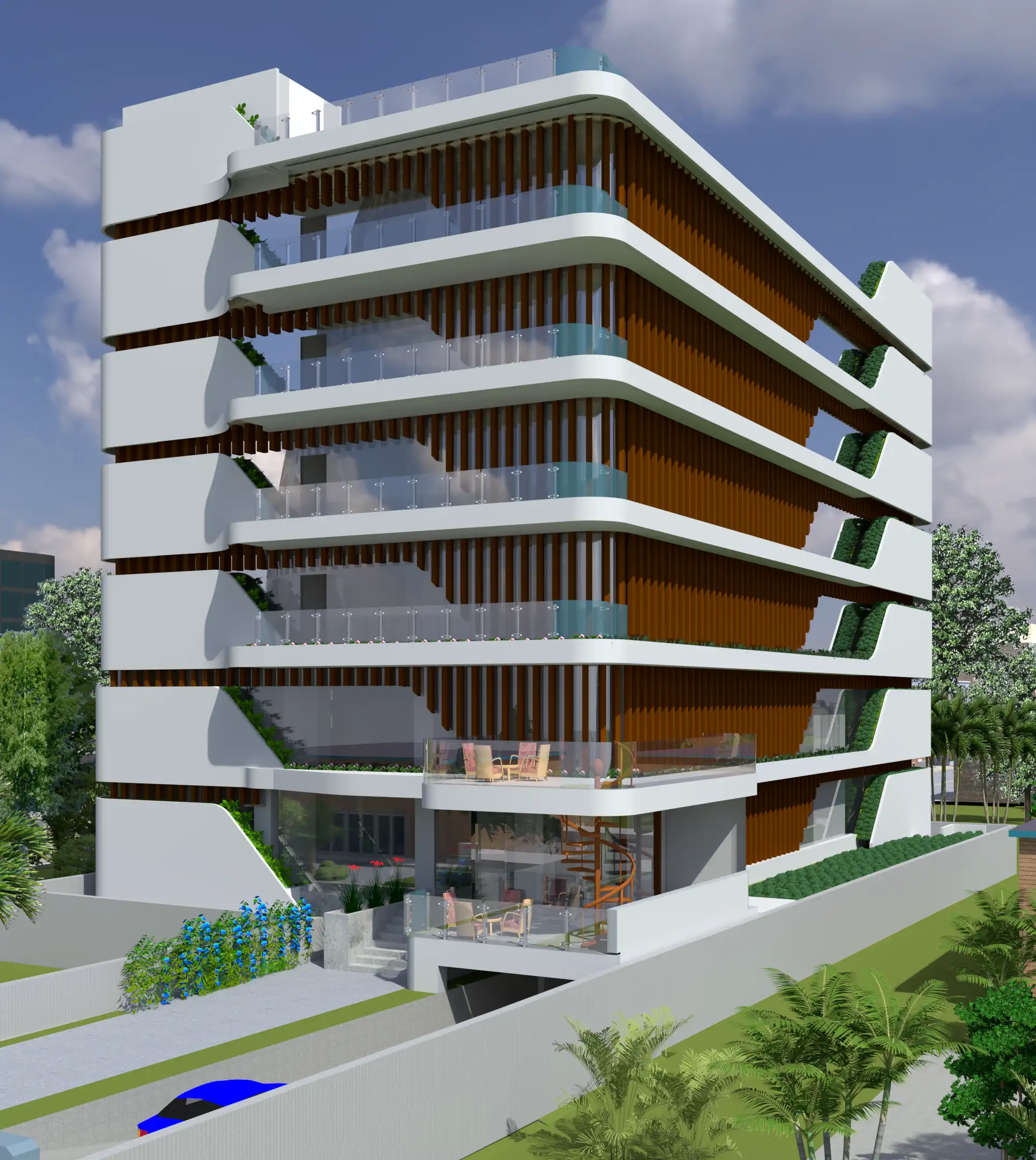
Environmental sustainability has moved from being an optional consideration to a defining factor in modern architectural practice. As the construction industry faces increasing pressure to reduce environmental impact, architects are re-evaluating how buildings are designed, materialized, and constructed. Today, sustainability directly influences construction choices, structural systems, material selection, and long-term building performance.
For architecture firms like JK Associates, environmental sustainability is not only about reducing carbon footprints—it is about designing buildings that respond intelligently to climate, resources, and human needs while remaining durable and contextually relevant.
Understanding Environmental Sustainability in Construction
Environmental sustainability in construction refers to the responsible use of resources throughout a building’s lifecycle—from material extraction and construction to operation, maintenance, and eventual reuse or demolition. In architectural terms, this means designing buildings that minimize energy consumption, reduce waste, and adapt to their environment rather than working against it.
In Nepal, where construction is shaped by seismic risk, climatic variation, and rapid urbanization, sustainability plays a crucial role in ensuring buildings remain safe, efficient, and long-lasting.
How Sustainability Is Reshaping Construction Decisions
Material Selection Based on Environmental Performance
Modern construction choices increasingly prioritize materials with low embodied energy, durability, and recyclability. Architects are moving away from resource-intensive materials toward locally sourced, sustainable alternatives that perform better over time and reduce environmental impact.
Design for Climate Responsiveness
Sustainable architecture emphasizes passive design strategies such as orientation, shading, ventilation, and thermal mass. These decisions directly influence construction methods and material choices, reducing dependence on mechanical systems while improving occupant comfort.
Structural Efficiency and Resource Optimization
Environmental sustainability encourages doing more with less. Structural systems are being optimized to reduce material usage without compromising strength or safety. This approach leads to leaner, more efficient construction that minimizes waste and cost.
The Role of Sustainable Materials in Modern Construction
Material choice is one of the most impactful construction decisions architects make. Sustainable materials contribute to:
- Reduced carbon emissions during production
- Improved durability and resistance to environmental stress
- Better indoor environmental quality
- Lower maintenance and operational costs
Materials such as engineered timber, stabilized earth blocks, blended concrete, recycled steel, and locally sourced masonry are increasingly shaping contemporary construction practices—especially in regions where environmental responsiveness is essential.
Sustainability and Structural Performance
Environmental sustainability is closely linked to structural performance. Materials that respond well to moisture, temperature changes, and seismic forces tend to experience less degradation over time. By choosing materials compatible with local conditions, architects can reduce issues such as cracking, corrosion, and premature failure.
This alignment between sustainability and performance reinforces the idea that environmentally responsible construction often leads to stronger, more resilient buildings.
Construction Methods Influenced by Sustainability
Sustainability has also influenced how buildings are constructed, not just what they are made of. Modern construction methods now focus on:
- Prefabrication and modular systems to reduce waste
- Efficient site management to minimize environmental disturbance
- Adaptive reuse of existing structures
- Lifecycle-based planning rather than short-term solutions
These approaches help reduce environmental impact while improving construction quality and efficiency.
The Architect’s Role in Sustainable Construction Choices
Architects are central to translating sustainability goals into practical construction decisions. This requires balancing design intent, structural requirements, environmental responsibility, and client needs.
At JK Associates, sustainability informs decisions from the earliest design stages—ensuring that construction choices support durability, performance, and environmental stewardship. Through integrated design and close coordination with engineers and consultants, sustainable principles are embedded into the built form rather than added later.
Long-Term Benefits of Sustainable Construction Choices
Environmentally sustainable construction delivers lasting value by:
- Extending building lifespan
- Reducing energy and maintenance costs
- Enhancing occupant comfort and health
- Minimizing environmental impact over time
These benefits demonstrate that sustainability is not a constraint, but a strategic framework for better architecture.
Conclusion
Environmental sustainability has a profound impact on modern construction choices, shaping how buildings are designed, materialized, and constructed. As environmental challenges grow, architects must respond with informed, responsible decisions that balance innovation with context.
For architecture firms like JK Associates, sustainability is a guiding principle—one that leads to construction choices that are efficient, resilient, and aligned with the future of the built environment. By integrating environmental responsibility into every stage of design and construction, architects can create buildings that serve both people and the planet.