
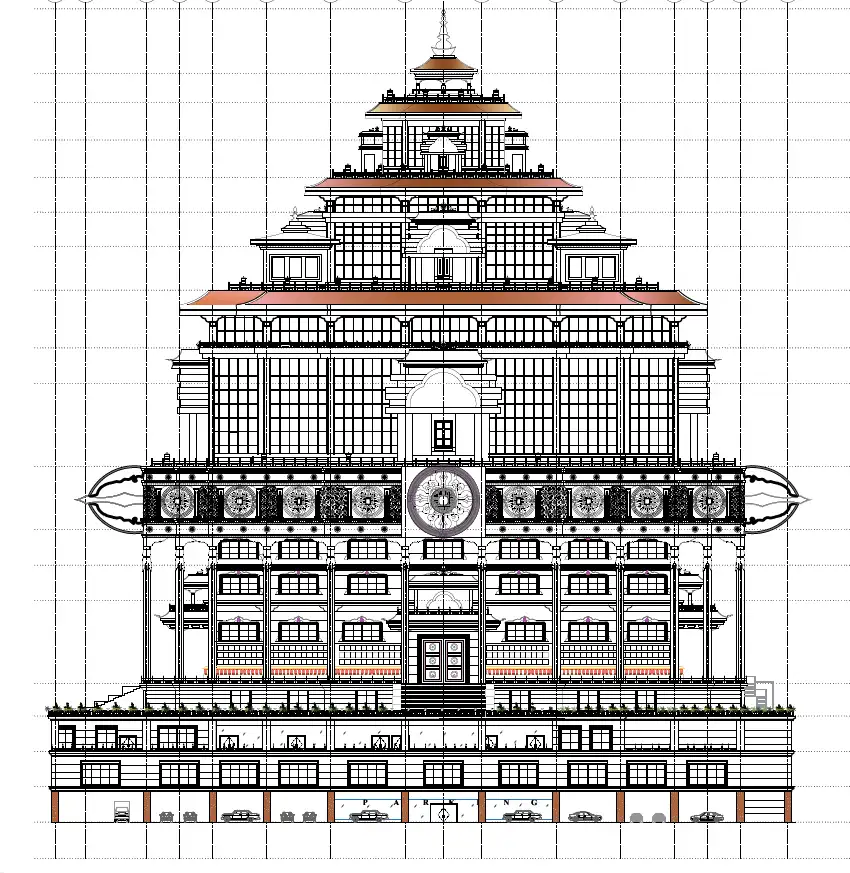
Architecture is not just about buildings; it’s a reflection of who we are, our history, and how we relate to the world around us. In Nepal, with its rich mix of cultures, traditions, and skilled craftsmanship, every building tells a story about our identity and roots. As cities grow and new design trends emerge, architects face the challenge of crafting spaces that meet today’s demands while still honoring Nepal’s rich cultural heritage. This is where Cultural Heritage Thinking comes in, a design approach that connects the past with the present to create spaces that feel timeless yet modern.
Understanding Cultural Heritage Thinking in Architecture
Cultural Heritage Thinking means designing modern spaces inspired by a region’s traditional architecture, materials, and social values. It’s not about copying old styles but about capturing the spirit of heritage and blending it thoughtfully with contemporary design. In Nepal, this involves reimagining the beauty of Newa architecture, Tharu homes, and Himalayan craftsmanship in ways that suit today’s lifestyles. Features like brick façades, carved wooden windows, open courtyards, and sloped roofs help keep a cultural essence alive within modern buildings.
Nepal’s Rich Architectural Heritage as Inspiration
Nepal’s architectural styles are incredibly diverse, from the detailed carvings in Patan’s traditional houses to the simple, practical mountain cottages of Mustang. Each style developed in harmony with local climate, materials, and cultural traditions, making heritage not just beautiful but functional. For example:
- Newa architecture in the Kathmandu Valley emphasizes community through shared courtyards called bahas.
- Tharu homes in the Terai use mud and bamboo to keep cool during hot weather.
- Himalayan houses combine stone and wood to endure cold temperatures.
- These traditional techniques highlight sustainability, social connection, and adaptability, ideas still important in today’s architecture.
Bridging Heritage and Modern Design
Modern architecture in Nepal often walks a fine line between practicality and cultural identity. The aim isn’t to recreate old buildings but to capture their essence using modern materials and technology. Architects today are finding creative ways to bring cultural symbols and traditional spatial ideas into contemporary homes, offices, and public areas. Some examples include:
- Designing layouts inspired by courtyards for natural airflow and community interaction.
- Using local materials like brick, wood, and stone to support sustainability.
- Creating modern façades influenced by traditional latticework (tikijhya).
- Designing shared spaces that reflect the communal spirit of older neighborhoods.
- This method produces architecture that feels authentic, eco-friendly, and distinctly Nepali, even in a modern setting.
The Role of Architects in Preserving Cultural Identity
Architects have a vital role in making sure that progress doesn’t erase cultural heritage. By embracing Cultural Heritage Thinking, they can create projects that respect both tradition and urban growth. Increasingly, modern buildings in Nepal—from boutique hotels to apartment complexes- are adopting this philosophy. This approach helps create spaces that touch people emotionally, highlight local craftsmanship, and nurture a sense of belonging in rapidly changing cities. For instance, including traditional patterns or materials not only adds beauty but also supports local artisans and sustainable building practices.
Towards a Sustainable and Culturally Rooted Future
As Nepal’s cities continue to grow, there’s a rising need for modern infrastructure that’s also thoughtful about its roots. The future of architecture lies in balancing environmental care, cultural expression, and community values. Applying Cultural Heritage Thinking enables architects to go beyond fleeting trends and create buildings that truly reflect Nepal’s identity. It’s about designing spaces that honor our history while embracing the future.
Conclusion
Nepal’s architectural story is a mix of tradition and modernity, and every new building becomes part of this ongoing story. Using Cultural Heritage Thinking in modern architecture helps protect our roots while welcoming progress. Ultimately, architecture in Nepal should continue to tell stories, stories of craftsmanship, culture, and togetherness, so that even in the most contemporary spaces, the heart of Nepalese heritage remains alive.