
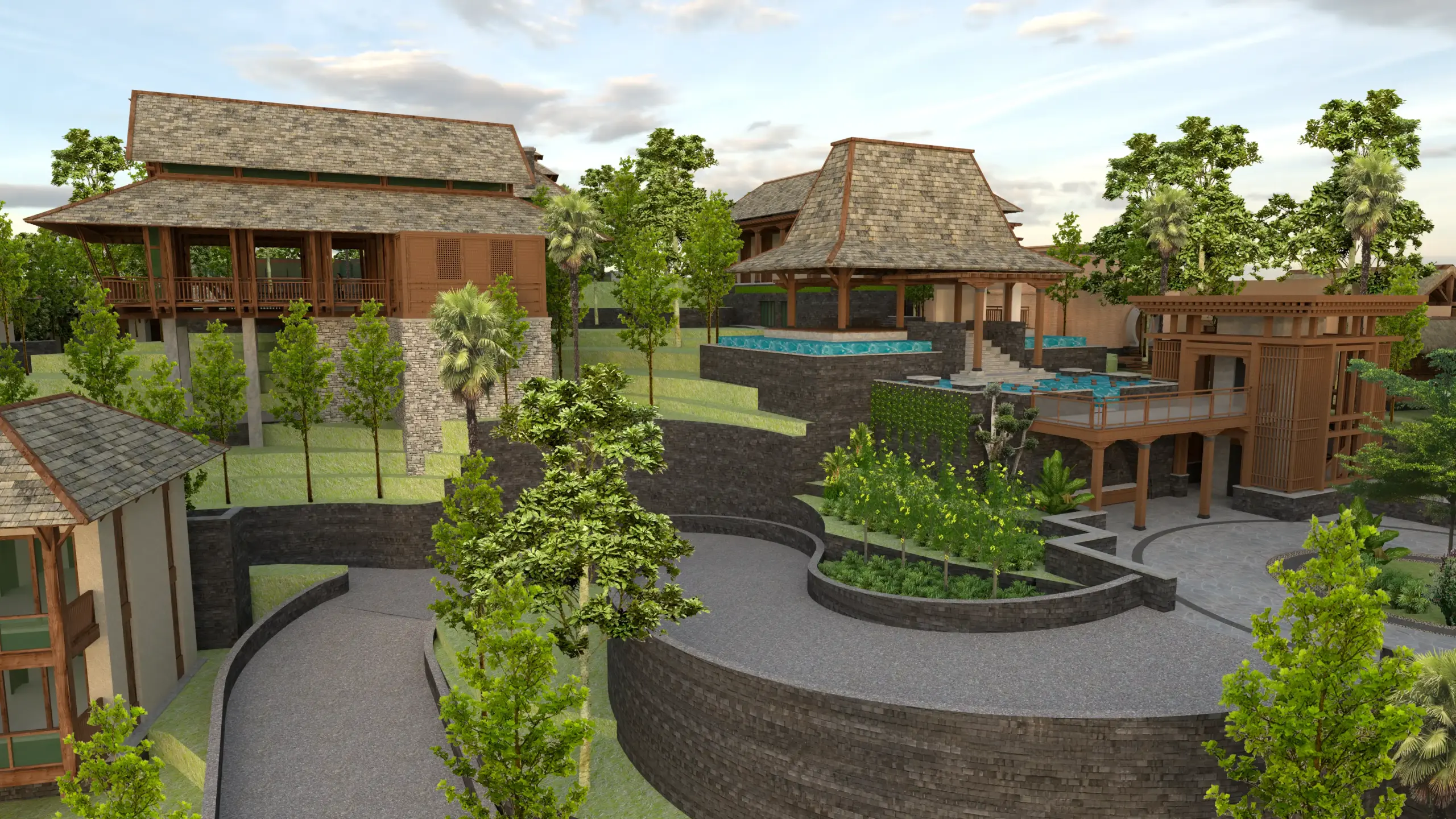
In the past, architects’ work often felt like it ended once the building was finished. But today, the story continues, digitally. Digital twins are redefining how architects design, build, and manage spaces by creating a powerful connection between imagination and real-world performance.
So, what is a digital twin? Simply put, it’s a virtual copy of a physical building. But it’s much more than just a 3D model. This digital replica reflects everything from the building’s systems and energy use to how people move within it, offering valuable insights long after construction wraps up. This new approach is changing the way we think about building for the future.
Understanding Digital Twins in Architecture
A digital twin is like a living, evolving version of the building it represents. Thanks to sensors, IoT devices, and real-time data, architects and engineers can simulate how a space will behave under different conditions, before it even exists.
For instance, a digital twin can show how sunlight will affect a building throughout the year or track how crowds move through a busy lobby. This kind of foresight helps designers make smart choices that boost efficiency, comfort, and sustainability.
By combining Building Information Modeling (BIM) with digital twin technology, architects can move beyond simple visualization to predicting and optimizing a building’s performance.
From Design to Construction to Ongoing Improvement
Traditionally, once a building was complete, the architect’s job was done. But with digital twins, the building’s story continues to unfold.
After construction, the digital twin keeps gathering real-time data, tracking temperature changes, energy use, and even how people occupy the space. Facility managers can use this info to fine-tune operations, spot issues, and plan upgrades without major disruptions.
For architects, this ongoing feedback becomes a treasure trove of lessons. Each project informs the next, helping to refine designs and create buildings that are more sustainable over time.
Putting Sustainability First with Smart Simulations
Sustainability is a major focus in modern architecture, and digital twins make it easier to achieve. They let architects test how airflow, sunlight, and temperature impact a design long before breaking ground.
This process cuts waste and reduces costs, while ensuring buildings are resilient enough to handle future climate challenges. With data guiding their decisions, architects can craft spaces that respond intelligently to changing environmental conditions.
Boosting Teamwork and Innovation
Digital twins also revolutionize how teams collaborate. Architects, engineers, contractors, and urban planners can all work on the same virtual model together in real time.
When one person makes a change, everyone else sees it immediately, cutting down on confusion and design clashes. This shared workspace sparks innovation and helps projects move faster, staying on track and budget.
Designing the Future, One Digital Twin at a Time
Digital twins are a game-changer for architecture’s future. They bring together creativity and data, artistic vision and technical precision. Buildings aren’t just static structures anymore; they become adaptable, learning systems.
As our cities get smarter and sustainability becomes essential, digital twins light the way forward—where design meets intelligence and every building plays a part in a more efficient, resilient world.
Architects adopting this technology aren’t just creating buildings, they’re shaping how we live and interact with the spaces around us.