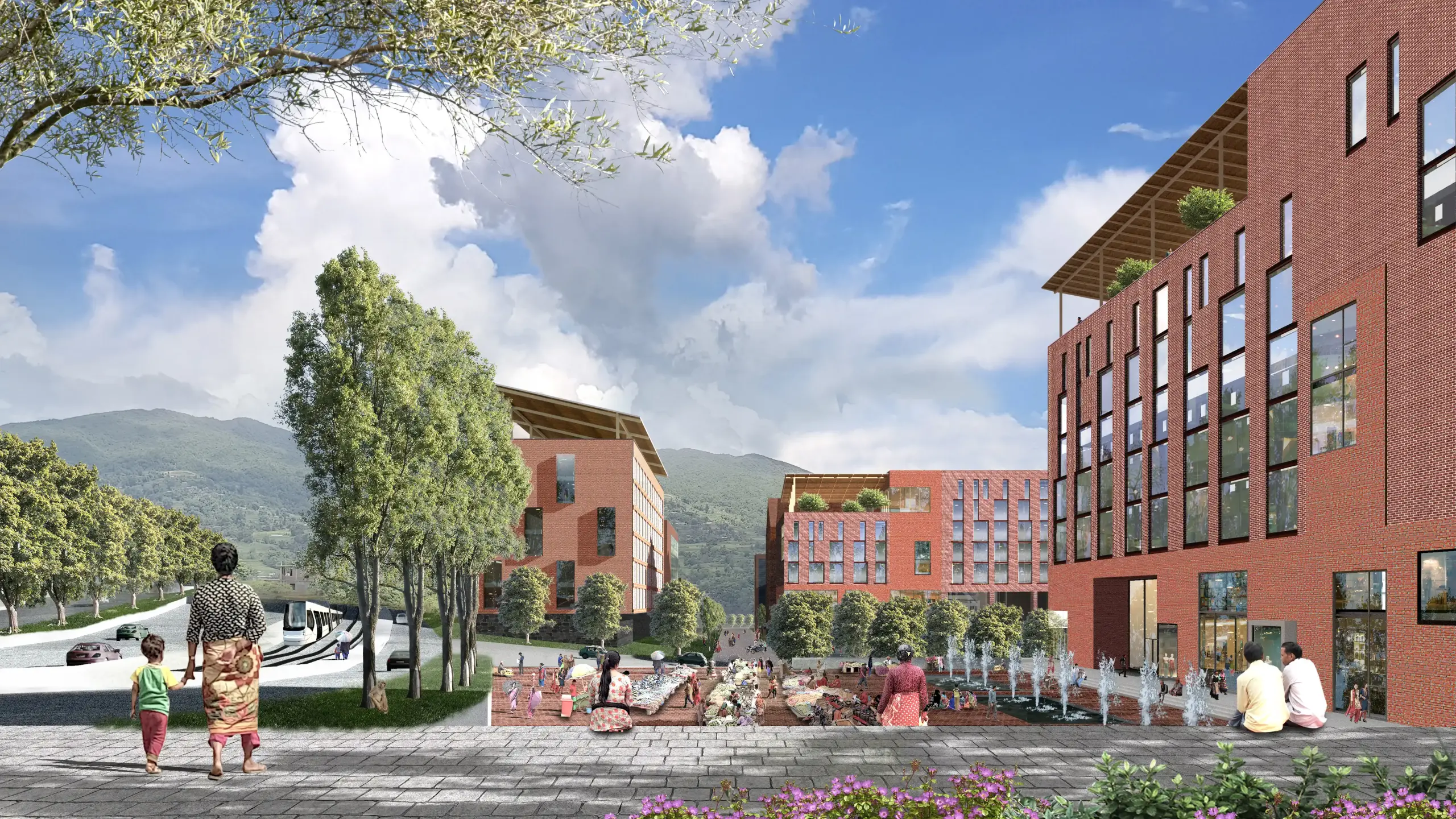
5 Essential Elements of Timeless Home

Designing a home that feels serene, functional, and aesthetically pleasing doesn’t require an elaborate approach. Timeless home design revolves around using clean lines, minimalistic furniture, and thoughtful space management. Whether you’re working with a small apartment or a larger home, embracing simplicity can transform your living space into a cozy retreat.

In this blog, we’ll explore the five essential elements of refined home design and how they can be adapted to any living space, especially small homes, for a clean, elegant, and functional environment.

Neutral Color Palette for a Spacious Look

A key feature of timeless home design is the use of a neutral color palette that opens up small spaces and makes them feel more airy. Soft shades of white, beige, light gray, and earthy tones work wonderfully in creating a calm atmosphere, perfect for small homes. These colors not only make the space feel larger but also provide the ideal backdrop for other design elements to stand out.

Tip: For small kitchens or compact living rooms, choose lighter shades that reflect natural light to make the area feel more open. Incorporating wood accents or subtle textiles can add warmth without overcrowding the space.

Minimalistic Furniture: Functional and Stylish

In home design, furniture should be both functional and aesthetically pleasing. In small homes, every piece of furniture should serve a dual purpose, optimizing the floor space while maintaining a minimalist look. For example, a small dining table that doubles as a workspace or a coffee table with hidden storage can help keep clutter at bay.

Tip: Opt for furniture with clean lines and neutral tones. In small spaces, a Scandinavian-style approach works well, using furniture that’s sleek, elegant, and multi-functional.

Efficient Layouts for Small Spaces

A well-thought-out layout is critical, especially for small homes. Open floor plans are ideal for making interiors feel larger and more breathable. Avoid overcrowding the room with too many pieces of furniture or accessories. Instead, focus on creating clear paths for movement and arranging furniture that promotes a harmonious and functional space.

Tip: In small kitchens, open shelving and compact cabinets can maximize vertical storage, making the room feel more spacious. A foldable dining table in the kitchen or living room can also save space while providing functionality.

Maximize Natural Light

One of the simplest ways to enhance the beauty of a home is through natural light. Large windows, open floor plans, and strategically placed mirrors help brighten up small spaces, making them feel more expansive. Small homes benefit immensely from well-lit environments, which create the illusion of a larger area.

Tip: Avoid heavy drapes or blinds that block sunlight. Opt for sheer or light-filtering window treatments that maintain privacy without compromising the flow of natural light.

Decluttering and Smart Storage Solutions

The hallmark of home design is a clutter-free, well-organized space. In small homes, this means keeping the décor minimal and ensuring that every item has its place. Clever storage solutions such as built-in shelves, under-bed storage, or multi-functional furniture help maintain a neat and organized look.

Tip: Utilize hidden storage in the living room, bedroom, and even the kitchen to keep essential items stored away while still maintaining the simplicity of the design.

Bonus Design Ideas for Timeless Interiors

  • Scandinavian Style: Incorporate this minimalist approach for its emphasis on functionality, natural light, and neutral tones, all of which align perfectly with home design principles.
  • Small Spaces: In small homes, choose compact furniture and thoughtful layouts to make the most of every square foot. Mirrors can be used strategically to reflect light and give the illusion of a larger space.

Final Thoughts

By incorporating these five essential elements—neutral colors, minimalistic furniture, efficient layouts, natural light, and decluttered spaces—you can create a timeless and elegant home design that is both functional and visually appealing. Whether you’re working with small spaces or larger areas, these principles will help you achieve a harmonious, balanced, and timeless design.

Looking to transform your home? Contact our team of expert architects for personalized design solutions tailored to fit your unique style and space. Let us help you bring your vision of timeless and elegant interiors to life!

Best Commercial Architects for Environment Friendly Office Buildings

In today’s world, environment friendly is no longer just a trend; it’s a necessity. Designing sustainable office buildings has become a priority as businesses focus on reducing their environmental impact. This is where commercial architects play a critical role. The best commercial architects are skilled in creating functional office spaces and experts in incorporating eco-friendly building designs that support sustainability goals.

In this blog, we’ll explore why choosing the right commercial architects is key to creating sustainable office spaces and what makes them the best at what they do.

The Importance of Environment Friendly Office Buildings

Sustainable office buildings are designed to reduce energy consumption, minimize waste, and promote a healthy indoor environment. By using eco-friendly materials, optimizing natural light, and implementing energy-efficient systems, businesses can significantly cut down on operational costs while contributing to environmental conservation.

Achieving this balance between aesthetics, functionality, and sustainability requires the expertise of experienced commercial architects who understand how to incorporate these elements into their architectural design.

How do the Best Commercial Architects Approach Environment-Friendly Design?

Energy Efficiency One of the key focuses of sustainable design is energy efficiency. The best commercial architects prioritize the use of energy-saving solutions such as smart lighting, advanced HVAC systems, and renewable energy sources like solar panels. These elements reduce energy consumption and lower carbon footprints, benefiting both the environment and the business’s bottom line.

Sustainable Materials The best commercial architects source eco-friendly materials for design and construction, ensuring that the building process itself is environmentally responsible. Materials such as reclaimed wood, recycled steel, and low-VOC paints help reduce the environmental impact while maintaining durability and aesthetics. These materials also promote indoor air quality, making the workspace healthier for employees.

Water Conservation Systems Water efficiency is another crucial aspect of sustainable design. Leading commercial architects integrate water-saving technologies like rainwater harvesting systems, low-flow plumbing fixtures, and greywater recycling systems. These innovative solutions can drastically reduce water usage and ensure that the building operates sustainably over the long term.

Maximizing Natural Light. Incorporating large windows, skylights, and strategic building orientation allows commercial architects to maximize natural light. This reduces the need for artificial lighting during the day, cuts down on energy consumption, and creates a more pleasant working environment. Natural light has also been proven to enhance employee productivity and well-being, making it an important part of both interior design and sustainable architecture.

Green Building Certifications The top commercial architects often aim to meet or exceed the standards set by green building certifications like LEED (Leadership in Energy and Environmental Design). These certifications signify that the building adheres to the highest standards of sustainability and resource efficiency, offering long-term benefits for both the business and the environment.

The Role of Project Management in Environment Friendly Commercial Architecture

An often overlooked aspect of creating sustainable office spaces is the importance of efficient project management. The best commercial architects work closely with construction teams, suppliers, and other stakeholders to ensure that the design process runs smoothly and that sustainable practices are implemented from start to finish.

By overseeing the construction project with a focus on sustainability, architecture firms can ensure that deadlines are met, costs are controlled, and the final building aligns with the client’s sustainability goals. From material selection to energy-saving installations, effective project management plays a vital role in bringing sustainable architectural designs to life.

Why Choose the Best Commercial Architects for Your Environment-Friendly Office Project?

When starting a sustainable office project, choosing the right commercial architects can make all the difference. These experts understand the complexities of commercial architecture, from selecting the right materials to integrating the latest energy-efficient technologies. Here’s why they stand out:

Expertise in Sustainable Solutions: The best commercial architects have a deep understanding of sustainable practices and can tailor solutions that meet the specific needs of your business and the environment.

Cost-Efficiency: While the initial cost of sustainable building designs may seem high, experienced architecture firms know how to optimize budgets by selecting energy-efficient solutions that reduce long-term operational costs.

Innovative Designs: Top-tier commercial architects are not just focused on functionality; they also incorporate cutting-edge design trends that blend sustainability with aesthetic appeal, resulting in office spaces that are both beautiful and eco-friendly.

Compliance with Environmental Standards: The best architects ensure that your construction project complies with local and international environmental standards, reducing the risk of fines and enhancing your company’s reputation as a sustainable brand.

Environment-Friendly Design and Construction: A Collaborative Effort

A successful sustainable office building is the result of collaboration between various professionals, from commercial architects and interior designers to engineers and project managers. Commercial architecture involves a complex design process where every decision—whether it’s choosing materials, designing the layout, or installing energy-efficient systems—has to be carefully coordinated to achieve the desired sustainability goals.

Conclusion

Environmental Friendly office buildings are the future of commercial architecture, and the best commercial architects are at the forefront of this transformation. By working with skilled professionals who prioritize energy efficiency, eco-friendly materials, and innovative architecture designs, businesses can create office spaces that not only benefit the environment but also improve employee well-being and reduce long-term costs.

If you’re looking to design a sustainable office building, make sure to choose the best commercial architects who specialize in green design. Their expertise in project management, design and construction, and sustainable solutions will help you achieve a balance between functionality, aesthetic appeal, and environmental responsibility.

Benefits of Working with Architects Near You for Your Home Plans

Creating the perfect home is a dream for many, but turning that dream into reality requires the right expertise. When designing your future home, choosing local architects offers numerous advantages. In this blog, we’ll explore the benefits of working with architects near you for house plans and provide insights into an important question: How much does an architect charge to draw house plans?

Local Expertise and Knowledge

One of the primary benefits of hiring architects near you is their deep understanding of the local area. Local architects are familiar with regional building codes, zoning regulations, and environmental factors that could impact your house plans. This knowledge is crucial for ensuring that your design is beautiful, compliant with local laws, and optimized for the environment.

For instance, an architect with experience in your area will know how to design a home that can withstand local weather conditions, whether it’s heavy snowfall in the winter or intense summer heat. This expertise can save you time, money, and headaches in the long run.

Personalized Service and Communication

Working with an architect nearby allows for more personalized and frequent communication. When you’re just a short drive away from your architect’s office, face-to-face meetings become more feasible. This direct interaction fosters a stronger relationship and a clearer understanding of your vision.

With local architects, you can expect more involvement in the design process. They can easily visit your site, understand the surroundings, and incorporate your preferences into the design. This level of personalization ensures that the final house plans align perfectly with your needs and desires.

Easy Accessibility for Site Visits

Another significant advantage of choosing architects near you is their accessibility for site visits. Regular site visits are essential for keeping the project on track and ensuring that the construction aligns with the design. An architect who can easily visit your site can spot potential issues early and make adjustments as needed.

For example, imagine an architect who can quickly drive to your construction site to resolve an unexpected issue. This ability to act swiftly can prevent costly delays and keep the project moving forward smoothly.

Strong Local Network

Local architects often have well-established relationships with local contractors, suppliers, and other professionals in the area. This network can be invaluable during the construction process, as it ensures you have access to trusted and reliable resources.

These connections can also lead to cost savings. For instance, an architect might recommend a contractor they’ve worked with before who offers competitive rates and high-quality workmanship. This strong network helps ensure that your project is completed to a high standard, on time, and within budget.

Customization to Reflect Local Style and Culture

Every region has a unique architectural style influenced by history, culture, and climate. Local architects have an in-depth understanding of these design trends and can help incorporate regional characteristics into your home. Whether it’s a coastal retreat, a rustic farmhouse, or a modern urban residence, they can design a house that blends seamlessly with the surrounding environment.

Conclusion

Working with architects near you offers numerous benefits, from local expertise and personalized service to easy site access and strong local networks. Additionally, considering how much an architect charges to draw house plans is an important factor in planning your project.

At the end of the day, choosing a local architect is about more than just convenience; it’s about ensuring that your vision is understood and expertly crafted into a design that fits both your lifestyle and the local environment.

Finding Reliable Architectural Firms Near You: Tips and Tricks.

Transforming your home or office space is an exciting yet challenging task, and the right architectural firm can make all the difference. But with so many options available, how can you find reliable interior design companies near you? In this blog, we’ll walk you through practical tips and tricks to help you locate and choose a trustworthy firm that fits your style and budget.

Why Choose a Local Architectural Firm?

When it comes to redesigning your space, hiring a local architectural firm offers several advantages. Local architects often have a deep understanding of zoning laws, building codes, and regional design trends, making it easier to navigate the planning and approval process. Additionally, working with an architectural firm near you simplifies communication and on-site visits, ensuring the project runs smoothly from concept to completion.

Key Qualities of Reliable Architectural Firms

Knowing what to look for in an architectural firm can save you time, money, and frustration. Here are some essential qualities to consider:

  • Portfolio and Experience
    Review the company’s portfolio to ensure its style and expertise align with your vision. Reputable interior designers will showcase a range of past projects that demonstrate their skills and versatility.
  • Customer Reviews and Testimonials
    Check online reviews on platforms like Google to get a sense of past clients’ experiences. Positive reviews often indicate reliable and professional service, while negative ones can be red flags.
  • Design Style Compatibility
    Every architectural firm has a unique style, and it’s essential to find a company that can adapt to or enhance your personal aesthetic. Look for design firms that align with your preferred themes, whether they’re modern, rustic, or minimalist.

Tips for Researching and Comparing Architectural Firms

Finding the best fit requires some careful research. Here’s how to evaluate and compare potential candidates:

  1. Use Online Directories and Review Sites
    Start by browsing online directories like Houzz or Thumbtack, which feature local interior design companies. These platforms provide an overview of each company’s expertise, style, and customer ratings.
  2. Check Their Design Portfolio and Projects
    A design company’s portfolio reveals its skill level, design range, and quality of execution. Look for projects similar to your needs, as well as images that showcase their attention to detail.
  3. Schedule Consultations with Shortlisted Companies
    Once you’ve narrowed down your choices, set up initial consultations. This is your opportunity to ask questions, discuss your vision, and see if there’s good communication. Reliable interior design companies near you will provide clear answers and may offer initial design concepts or recommendations.

Questions to Ask Architectural Firms Near You

To make an informed decision, ask the following questions during your consultations:

  • What is your experience with projects similar to mine?
    This helps you gauge whether the designer has expertise in your particular style or type of space.
  • Can you provide client references or testimonials?
    Testimonials from past clients give insights into how the company works and their level of professionalism.
  • How do you structure your fees and payment schedules?
    Understanding the cost structure upfront helps you avoid unexpected fees down the road.
  • What is your approach to incorporating client input into the design process?
    A good architectural firm will prioritize your vision while balancing functionality and aesthetics.

Things to be Cautious About

Not all firms deliver on their promises, so be aware of these warning signs:

  • Lack of a Professional Portfolio
    A credible firm will proudly share its portfolio. If they lack examples of past work, this might indicate inexperience or a lack of quality projects.
  • Overly Low Estimates
    If a firm’s quote seems too good to be true, it might mean they’ll cut corners or surprise you with hidden fees. Look for transparent pricing structures.
  • Negative or Vague Customer Feedback
    Pay attention to customer reviews. Frequent complaints about missed deadlines, poor communication, or incomplete work are major red flags.

Conclusion

Finding the perfect architectural firm near you is a rewarding journey that can transform your living or work space into something truly special. By following these tips, comparing options, and asking the right questions, you’re one step closer to achieving the design of your dreams. Now, it’s time to start your search for reliable interior design companies near you. With the right team by your side, your dream space is within reach.

Benefits of Working with Residential Architects Near You for Custom Home Design

Building a custom home is a dream for many, and every detail matters to make that dream come to life. Partnering with residential architects near you is a strategic choice that can add significant value to your project. Local architects bring essential knowledge of the area, including zoning laws, design trends, and community standards, ensuring that your home not only meets your unique needs but also blends harmoniously with the surrounding environment. In this blog, we’ll explore why working with residential architects near you is beneficial and how it can make your custom home design project smoother and more successful.

Why is Working with Local Residential Architects Essential for Custom Homes?

When choosing an architect, location is a crucial factor. Working with residential architects near you means they have an intimate understanding of the area’s climate, landscape, and building regulations, making it easier to create a home that’s designed to thrive in its environment.

  1. Understanding Local Zoning and Building Regulations
    Local architects are familiar with the codes and restrictions that could impact your design. This knowledge can streamline the approval process, reduce unexpected roadblocks, and keep your project moving forward without delays.
  2. Connection with Local Suppliers and Contractors
    Working with residential architects in your area means you’ll benefit from their established networks. They know trustworthy local contractors and suppliers, which helps ensure quality work and potentially lowers material costs.
  3. Proximity for Easy Communication and Collaboration
    Regular in-person meetings with nearby architects make it easier to communicate your vision and receive updates. This proximity is invaluable for keeping the project on track and quickly addressing any changes or concerns.

Top Benefits of Hiring Residential Architects Near You

Choosing a residential architect close to home isn’t just convenient—it comes with distinct advantages that can elevate your custom home project. Here are a few key benefits:

Knowledge of Local Building Codes and Regulations

Hiring an architect familiar with local rules saves time and money. They understand specific requirements and how to navigate municipal approvals, ensuring compliance without unexpected delays.

Personalized Design Reflecting the Area’s Style

Local architects often bring a deep understanding of the architectural styles popular in your region. They can incorporate these elements into your custom home design, creating a home that feels like a natural fit in the neighborhood.

Faster Project Timelines Due to Proximity

Because they’re nearby, residential architects can easily manage site visits and coordinate with local contractors. This can lead to faster project timelines, as you’re less likely to experience delays due to travel or coordination issues.

Stronger Network of Local Contractors and Suppliers

Local architects have established relationships with suppliers and contractors, which can make it easier to find reliable professionals who understand the project and adhere to your budget. This network often translates into better prices and higher quality work.

How Nearby Residential Architects Improve Custom Home Designs?

One of the best things about working with nearby architects is their ability to design with the local landscape, climate, and community aesthetic in mind. For instance, if you live in a coastal area, they can create a design that maximizes natural light while being resilient to humidity and salt air. If you’re in a colder climate, they can incorporate elements that improve insulation and reduce heating costs.

Architects with a local touch can also highlight design elements that speak to regional architecture. For example, a Southwestern architect might suggest using adobe-inspired features, while an architect in New England might recommend colonial details for a timeless look.

How to Find Trusted Residential Architects Near You?

Finding the right architect doesn’t have to be daunting. Here are a few tips to help you choose the best residential architects near you:

  • Check Online Reviews: Look for architects with consistently positive feedback, focusing on comments about communication, quality, and reliability.
  • Browse Portfolios: Viewing portfolios helps you gauge whether their style aligns with your vision.
  • Ask for Recommendations: Reach out to friends or family in your area who’ve recently worked with residential architects. Personal recommendations are invaluable.
  • Schedule Initial Consultations: Meeting with a few local architects allows you to compare their ideas, pricing, and communication styles to find the best fit for your project.

Conclusion: Local Expertise Matters for Custom Home Success

Creating your dream home is a rewarding journey, and having residential architects near you on your team can make the experience even smoother. With their local knowledge, established connections, and ability to design for your unique environment, nearby architects are well-equipped to bring your vision to life. If you’re considering a custom home, working with residential architects near you is a choice that offers personalized, efficient, and effective results. Take the first step toward your dream home today by connecting with a local architect who understands your needs.

Top Trends in Resort Design Concept Architecture for 2025.

As the world of hospitality evolves, so does the demand for unique and meaningful resort experiences. In 2025, resort design concept architecture is about creating spaces that align with guests’ values and offer an immersive experience. With sustainable practices, advanced technology, and nature-focused designs on the rise, resort architecture trends are shaping how guests unwind and connect with their surroundings. Let’s get into the top trends in resort design for 2025 and see how they’re transforming the industry.

Eco-Friendly Designs

In 2025, resorts are prioritizing eco-friendly designs that minimize environmental impact while maintaining luxury and comfort. Modern resort architecture integrates energy-efficient solutions, natural materials, and resource-conscious planning to create a harmonious balance between nature and hospitality.

  • Examples: Many resorts are incorporating reclaimed wood, recycled materials, and energy-efficient lighting to enhance sustainability. Landscaping techniques that preserve local flora and reduce water consumption are also becoming standard. Additionally, renewable energy solutions, such as solar panels, are being integrated to support eco-conscious operations.

These initiatives not only promote environmental responsibility but also enhance guest appeal, attracting travelers who seek destinations that align with their values.

Biophilic Design Elements

Incorporating nature into resort architecture is a major trend known as biophilic design. This approach enhances guests’ relaxation and connection to the environment, creating spaces that feel alive and serene.

  • Examples: Biophilic resorts often feature large indoor gardens, open courtyards, and expansive windows to maximize natural light. Natural ventilation and organic forms that mimic natural landscapes are also popular design elements.

By bringing nature indoors, resorts create a calming atmosphere that promotes wellness—a priority for many travelers today. This trend isn’t just about aesthetics; it’s about creating an experience that rejuvenates guests physically and mentally.

Integration of Smart Technology

Smart technology is revolutionizing resort design concept architecture by enhancing the guest experience through convenience and personalization. In 2025, guests expect more than just a place to sleep; they want comfort and control at their fingertips.

  • Examples: Resorts now offer smart room features like keyless entry, voice-activated room controls, and mobile check-in/check-out. AI-driven customer service systems allow guests to request amenities instantly, while smart energy management systems help reduce waste by adjusting lighting and temperature based on occupancy.

Smart technology not only adds to guest satisfaction but also optimizes resource use, benefiting both guests and resort operations.

Unique, Thematic Concepts

Resorts are increasingly embracing unique, thematic designs that reflect local culture, art, or history, creating memorable and immersive guest experiences. By tailoring designs to local heritage, culturally inspired resort architecture allows resorts to offer an experience beyond standard luxury.

  • Examples: Resorts in tropical locations may integrate local craftsmanship, from handwoven textiles to indigenous art, into their interiors. Similarly, resorts in historic regions might incorporate architectural styles that echo the local history, offering guests a blend of luxury and cultural immersion.

This trend appeals to travelers looking for authenticity, making these resorts stand out as true destinations.

Ease of Maintenance

As resort designs become more sophisticated, ease of maintenance is a critical consideration for long-term operational efficiency. Thoughtfully planned architecture can reduce maintenance costs, enhance durability, and ensure smooth guest experiences without frequent disruptions.

  • Examples: Resorts are increasingly using self-cleaning glass windows, stain-resistant fabrics, and weather-resistant materials to minimize upkeep. Smart monitoring systems can detect plumbing leaks or HVAC efficiencies before they become major issues. Additionally, modular construction techniques allow for easier repairs and upgrades without affecting the guest experience.

By focusing on ease of maintenance, resorts can ensure longevity, reduce labor costs, and maintain their aesthetic appeal, reduce labor costs, and maintain their aesthetic appeal with minimal effort. This approach benefits both resot owners and guests by keeping spaces pristine and fully functional.

Emphasis on Wellness and Minimalism

As wellness tourism continues to rise, wellness-focused resort design has gained traction. The minimalist design, emphasizing tranquility and simplicity, helps guests disconnect from the stresses of daily life and reconnect with themselves.

  • Examples: Many resorts now feature yoga pavilions, meditation areas, and rooms designed with natural materials and soft, neutral tones. Furniture is often minimalist and functional, prioritizing comfort over ornate details.

This emphasis on wellness aligns with the desire for meaningful experiences and mental rejuvenation, making minimalist resorts highly appealing to a wellness-focused audience.

Conclusion

Resort design concept architecture in 2025 is all about meeting the evolving needs of modern travelers, blending technology, nature, culture, and wellness into unforgettable guest experiences. Whether you’re an architect, a resort owner, or a travel enthusiast, these trends show how innovation in design can make a resort more than just a destination—it becomes an experience in itself.

How to Choose the Best House Interior Design Style in Nepal?

Finding the perfect interior design style can completely transform your home. In Nepal, where cultural richness blends with modernity, choosing an interior design that reflects both aesthetics and functionality has become essential. In this guide, we’ll explore how to select a house interior design style that suits your lifestyle, space, and budget, specifically for homes in Nepal.

Key Factors to Consider When Choosing an Interior Design Style

Choosing the right interior design style goes beyond aesthetics. Here are some key considerations to help you make an informed choice.

  1. Space and Layout
    Consider the layout and space available in your home. Large, open spaces might suit a contemporary or minimalist design, while smaller rooms may benefit from multifunctional furniture and simpler decor that makes the area feel more spacious.
  2. Lifestyle Needs
    Your home should accommodate your lifestyle. If you have a family, a child-friendly design that includes safe furniture and durable materials might be ideal. If you work from home, consider a style that incorporates a functional workspace.
  3. Budget
    Budget often guides the choice of materials, decor, and furniture. You can still achieve a stylish look within a limited budget by prioritizing essential pieces and gradually adding decor. Working with local artisans or sourcing decor from Nepalese markets can add a unique touch without overspending.

Popular Interior Design Styles in Nepal

Nepal has a diverse design landscape, with styles ranging from traditional to contemporary. Here’s a look at some popular options to consider.

  1. Traditional Nepalese Style
    This style incorporates natural materials like wood and stone, along with warm colors and intricate carvings that celebrate Nepal’s cultural heritage. Traditional Nepalese decor often features locally handcrafted furniture, vibrant textiles, and elements inspired by nature.
  2. Modern Minimalism
    Minimalist design is popular among homeowners who prefer clean lines and simplicity. This style is known for neutral colors, sleek furniture, and minimal decor. Modern minimalism works well in urban areas, where limited space can benefit from a clutter-free aesthetic.
  3. Contemporary Style
    The contemporary style combines elements from various eras, creating a look that feels both modern and timeless. It often features open spaces, neutral tones with pops of color, and statement decor. Contemporary design is perfect for those who appreciate current trends but want their home to feel inviting and comfortable.
  4. Bohemian or Rustic Design
    For a more eclectic look, the bohemian or rustic style is ideal. It brings in natural elements like wood and stone, mixed textures, and earthy tones. This style complements Nepal’s scenic beauty and is perfect for homeowners who want to bring a bit of the outdoors inside.

Choosing the Right Colors and Materials

Colors and materials play a vital role in setting the tone of your home. Here are some tips for choosing them wisely:

  • Climate Consideration: Lighter colors and materials like bamboo and cane work well in warmer areas, while thicker textiles and darker colors add warmth to homes in colder regions.
  • Sustainable Choices: Opt for sustainable materials, like locally sourced wood or bamboo. These choices not only support Nepalese artisans but are also eco-friendly.

Incorporating Functional Furniture and Décor

Functionality is key in interior design, especially for smaller homes or apartments. Look for pieces that serve multiple purposes, such as sofa beds, foldable tables, or storage ottomans. Multi-functional furniture allows you to maximize space while maintaining a stylish look. Additionally, focus on decor that complements your chosen style and enhances the ambiance without cluttering the room.

Tips for Finding an Interior Designer in Nepal

Hiring an interior designer can make a significant difference in bringing your vision to life. Here’s how to find the right one:

  • Evaluate Portfolios: Look for designers whose past projects align with your desired style.
  • Client Reviews: Check reviews to understand the designer’s professionalism and quality of work.
  • Budget and Expectations: Have an open discussion about your budget and design expectations. A good designer will help you achieve your style within your budget while making practical recommendations.

Trends in House Interior Design in Nepal for 2024

Interior design trends in Nepal are evolving, blending tradition with modernity. Here are some trends to consider:

  • Eco-friendly Designs: Sustainable and eco-conscious designs are on the rise. This trend includes using recycled materials, energy-efficient lighting, and locally sourced decor.
  • Artisanal Décor: Handcrafted items and artisanal decor pieces that reflect Nepalese culture are increasingly popular. These unique items add character and a sense of heritage to any room.
  • Smart Home Technology: Integrating technology, such as smart lighting and automated systems, is also gaining popularity among urban homeowners in Nepal.

Conclusion

Choosing the best house interior design in Nepal involves balancing aesthetics, functionality, and cultural influence. By considering your lifestyle, space, and budget, you can select a style that feels like home. Whether you’re drawn to the simplicity of minimalism or the richness of traditional Nepalese decor, the right design can transform your space into a place you love. For personalized assistance, consider consulting an interior designer in Nepal who can guide you through the process and help bring your vision to life.

What is Architecture and How Do Architecture Firms Work? (2025)

Architecture firms are the creative forces behind the buildings and spaces that shape our lives. Beyond the aesthetics and functionality of structures, they are responsible for crafting environments that resonate with our needs, desires, and aspirations.

Architecture itself is a multifaceted discipline that transcends mere construction. It’s about understanding the interplay between form and function, people and place. Architects are the visionaries who transform concepts into tangible realities, considering factors like purpose, context, and sustainability to create spaces that enrich our experiences.

In this blog, we will learn what architecture firms do and how they work.

What is Architecture?

Architecture is the art and science of crafting spaces that resonate with the human spirit and the physical world. It’s a discipline that seamlessly intertwines aesthetics, functionality, and structural integrity to create environments that enrich our lives.

Rooted in ancient principles, the concept of architecture has evolved over centuries. The Roman architect, Marcus Vitruvius, articulated the enduring characteristics of architecture as firmitas, utilitas, and venustasstrength, function, and beauty. These fundamental qualities continue to guide architects today as they strive to create buildings that are not only structurally sound and purposeful but also visually captivating.

What is a Firm in Architecture?

An architecture firm is a business entity that specializes in the design and planning of buildings and other structures. It’s a collaborative hub where architects, designers, and other professionals work together to create and execute architectural projects.

Moreover, an architectural firm is also an organization of licensed professionals and trained architects who utilize their scientific knowledge, technical skills, and aesthetic sensibilities to craft architectural designs. Furthermore, these experts often take on the responsibility of planning and supervising the construction process of their creations.

These firms range in size from small, independent practices to large, multinational corporations. Regardless of scale, they all share a common goal: to deliver exceptional architectural solutions that meet the needs and aspirations of their clients.

Architecture firms often specialize in specific areas, such as residential, commercial, institutional, or industrial design. Some firms may also focus on particular architectural styles or sustainability.

History of Architecture

The evolution of architecture mirrors the trajectory of human civilization itself. From humble beginnings as shelters against the elements, architecture has blossomed into a complex interplay of art, science, and culture.

The earliest structures were rudimentary, often crafted from natural materials. As societies progressed, so too did their architectural ambitions. Ancient civilizations like Mesopotamia, Egypt, and Greece left an enduring legacy with monumental structures that reflected their cultural, religious, and political aspirations. The Romans mastered engineering and construction, creating vast empires supported by intricate infrastructure.

With the advent of the Middle Ages, architecture took on a spiritual dimension, exemplified by the soaring Gothic cathedrals that pierced the heavens. The Renaissance marked a return to classical ideals, emphasizing harmony, proportion, and humanism. Subsequent eras witnessed a rich tapestry of styles, from the ornate Baroque to the minimalist Modernism of the 20th century.

Today, architecture stands at the crossroads of technology, sustainability, and globalization. As we look to the future, it is clear that the language of buildings will continue to evolve, reflecting our changing world and aspirations.

What are the Role of Architecture Firms?

Architecture firms are the creative powerhouses behind the structures that define our world. An architecture firm is a company specializing in the design and planning of buildings and other structures. These collaborative teams of architects and other professionals work harmoniously to transform visions into reality, crafting spaces that align with the needs and aspirations of their clients.

Architecture firms play a pivotal role in shaping the built environment. They are the catalysts for translating societal needs and desires into functional, aesthetically pleasing, and sustainable structures. Beyond mere building design, these firms are at the forefront of addressing contemporary challenges such as urbanization, climate change, and social equity. By integrating innovative technologies, sustainable practices, and a deep understanding of human behavior, architecture firms create environments that enhance our quality of life and contribute to a more resilient and equitable future.

The Design Process in Architecture Firm

The design process in architecture is a complex and multi-faceted journey that transforms abstract ideas into tangible structures. It’s a collaborative endeavor involving architects, engineers, and other specialists, each contributing their expertise to create functional and aesthetically pleasing spaces.

The design process typically begins with the initial concept phase, where architects work closely with their clients to understand their needs, desires, and aspirations. From these initial conversations, architects develop preliminary design concepts, focusing on overall form, layout, and spatial relationships. This schematic design phase provides a framework for further development.

The design process then moves into the design development phase, where the initial concepts are refined and elaborated upon. Architects create more detailed plans, considering factors such as materials, systems, and building components. Once the design is finalized, the focus shifts to the creation of construction documents, which include detailed drawings, specifications, and schedules to guide the construction process.

Throughout the design process, architects collaborate closely with clients, engineers, contractors, and other stakeholders to ensure that the project meets the client’s needs, complies with building regulations, and is feasible within the project’s budget and timeline.

Why Choose an Architecture Firm?

An architecture firm is more than just a collection of designers; they are strategic partners in bringing your vision to life. Here’s why collaborating with an architecture firm is a wise decision:

  • Expertise and Knowledge: Architects possess a deep understanding of design principles, building codes, and construction methodologies. Their expertise ensures your project adheres to the highest standards of safety, functionality, and aesthetics.
  • Creative Innovation: Architects are trained to think creatively and develop innovative design solutions tailored to your specific needs and preferences. They can transform your ideas into unique and inspiring spaces.
  • Time and Cost Efficiency: An architecture firm’s experience and knowledge streamline the design and construction process, potentially saving you time and money. They can identify potential challenges early on and implement cost-effective solutions.
  • Project Management: Many architecture firms offer project management services, overseeing the entire construction process. This ensures smooth coordination, timely completion, and adherence to budget.
  • Risk Mitigation: Architects are adept at identifying potential risks and developing strategies to mitigate them. This protects your investment and ensures a successful project outcome.
  • Building Regulations and Permits: Navigating complex building codes and permit processes can be daunting. Architecture firms possess the expertise to handle these complexities, ensuring compliance and avoiding delays.
  • Sustainability and Environmental Impact: Modern architecture firms prioritize sustainable design and construction practices. They can help you create environmentally friendly and energy-efficient buildings.

By partnering with an architecture firm, you gain access to a team of professionals who are dedicated to transforming your vision into a reality that exceeds your expectations.

In conclusion, architecture firms serve as indispensable catalysts in the creation of the built environment. Their expertise in design, engineering, and project management is pivotal in transforming conceptual ideas into functional and aesthetically pleasing structures. By understanding the complex interplay between form, function, and human experience, these firms deliver spaces that not only meet practical needs but also enhance the quality of life.

The Art and Science of Architecture

Architecture goes beyond the simple act of construction; it’s a blend of art and science that crafts spaces that resonate deeply with those who inhabit them.  From the sweeping lines of urban design to the intricate details of interior spaces, architecture shapes our experience of the world, harmonizing aesthetics with function.

A Journey Through Architectural History

Curious about the origins of architecture? The roots of this field stretch back to ancient civilizations, where the need for shelter and community spaces gave birth to the first forms of design. Over the centuries, architecture evolved alongside cultural, technological, and artistic progress, leading to the diverse and innovative practices we see today.

Pushing the Boundaries of Modern Architecture

Today, architecture is a dynamic and ever-evolving field. Modern architects are not just creating spaces; they’re solving challenges around sustainability, urban density, and environmental harmony. By integrating cutting-edge materials, green technologies, and smart design principles, architecture now emphasizes efficiency, sustainability, and adaptability for the 21st century.

At the forefront of these innovations are structures designed with the future in mind, where every detail—whether through passive solar design, modular construction, or advanced urban planning—enhances both functionality and the human experience. These solutions push boundaries, balancing practical needs with aesthetic appeal, and inspiring creativity along the way.

Visualize Your Dream Space

Turning ideas into reality starts with visualization. Architectural renderings offer detailed previews of what your space will become, allowing you to explore every aspect of the design. Whether you’re planning a large-scale development or a personalized interior, these renderings provide clarity and help ensure the final result aligns with your vision.

Interior Design: Bringing Spaces to Life

Interior design breathes life into architectural structures, transforming them from empty shells into environments that inspire and comfort. More than just arranging furniture or choosing colors, interior design reflects the needs, personalities, and lifestyles of those who use the space. Every detail—materials, lighting, textures—works together to create a harmonious atmosphere that is both functional and aesthetically pleasing.

The Role of Expertise in Bringing Vision to Reality

Bringing detailed architectural designs to life requires creativity, precision, and experience. That’s why choosing the right architectural partner is essential. It’s not just about having a vision—it’s about working with professionals who can turn that vision into reality with the highest level of craftsmanship and care.

Why Choose JK Associates?

So why choose JK Associates? It’s simple: our unwavering commitment to excellence. As a leading architecture firm, we deliver a comprehensive range of services, from commercial architecture to bespoke interior design, all tailored to meet our clients’ needs. With an eye for detail, a passion for innovation, and a portfolio of successful projects across various sectors, we combine creativity with technical expertise to bring your vision to life.

Our work has been recognized for its innovation and quality, whether designing environment-friendly buildings that reduce energy consumption or creating interiors that perfectly reflect a client’s lifestyle. We don’t just design spaces—we craft experiences.

Ready to Bring Your Vision to Life?

Your journey toward creating exceptional spaces begins with a conversation. Contact us today to partner with one of the top architecture firms in the region. Whether you’re envisioning a new commercial space or reimagining your interiors, we’re here to turn your vision into reality, ensuring every detail reflects your unique aspirations.