
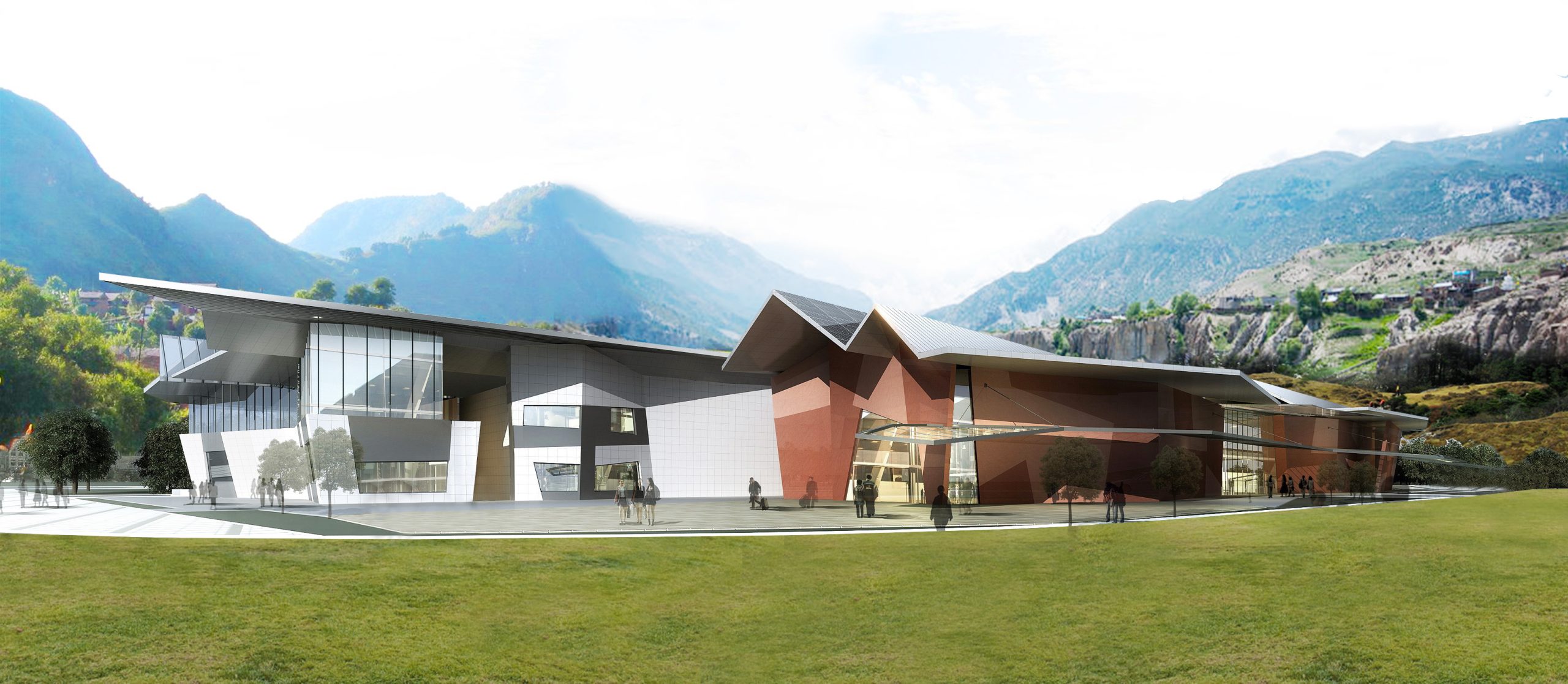
Sustainable architecture has become the new gold standard in design, and for good reason. Buildings that use less energy, generate fewer emissions, and rely on recycled materials are no longer “nice to have” but essential in a warming world. But as the movement grows, a deeper issue is emerging in the conversation around sustainable architecture and safety: What happens when sustainability is prioritized, but safety gets overlooked?
In earthquake-prone regions, rapidly urbanizing cities, or areas facing intensifying climate events, the consequences could be dangerous. A building might check every box for environmental performance, but if it can’t withstand a seismic shock or fails under extreme weather, is it truly sustainable?
The Tension Between Sustainability and Structural Resilience
Many eco-friendly buildings today are designed with the environment in mind, but not always with their environment in mind. It’s one thing to reduce carbon; it’s another to ensure the structure holds up under a landslide, flood, or tremor.
Take lightweight building materials. They’re great for reducing embodied carbon and simplifying logistics. But if they don’t perform under lateral loads or extreme heat, they introduce new vulnerabilities. Or consider green roofs: they help manage stormwater and lower ambient temperature, but without proper structural support, they can overload the building, especially during monsoons.
What’s missing isn’t innovation. What’s missing is a more integrated design mindset, one that considers both the carbon impact and the catastrophe risk.
Why “Green” Can’t Mean Ignoring Local Risk?
Sustainability doesn’t look the same everywhere. A material that’s considered efficient in one part of the world may be completely inappropriate elsewhere. In Nepal, for example, architecture faces layered challenges: seismic volatility, fragile soils, unpredictable rain patterns, and steep terrain. That’s not just a checklist of design constraints, it’s a map of potential failure points.
Designing a passive solar home is admirable. Designing one that collapses during an earthquake because structural reinforcements were sacrificed to save material cost? That’s negligence dressed as green virtue.
Architecture must respond not only to climate responsibility but also to contextual responsibility. Safety isn’t separate from sustainability; it’s an essential part of it.
What a Smarter Approach Looks Like?
So, how do we balance sustainability with real-world resilience?
- Early-stage collaboration between architects, structural engineers, MEP designers, and safety experts is crucial. Green buildings can’t be engineered in isolation.
- Site-specific assessments, including seismic analysis, soil investigation, and stress modeling, should be baseline, not bonus.
- Certified materials that meet both environmental and structural standards must be prioritized over trends or aesthetics.
- Advanced modeling tools like BIM and digital twin simulations allow teams to test multiple design outcomes without relying on guesswork.
- And finally, local building codes, especially in high-risk zones, need to be seen not as obstacles but as anchors, frameworks that ground creativity in accountability.
Final Thought: Safety Is the Quiet Side of Sustainability
There’s a kind of silence around sustainable architecture and safety, not because safety doesn’t matter, but because it’s not always visible. It’s easier to market a solar panel than a reinforced beam. But ask anyone who’s lived through an earthquake, a flood, or a building collapse: safety is the part of sustainability that matters the most when it matters the most.
If green buildings are to stand the test of time and the elements, they need to do more than meet energy targets. They need to stand strong, adapt to local risks, and protect the people inside them.
Because a building can’t be truly sustainable if it’s not also safe.