
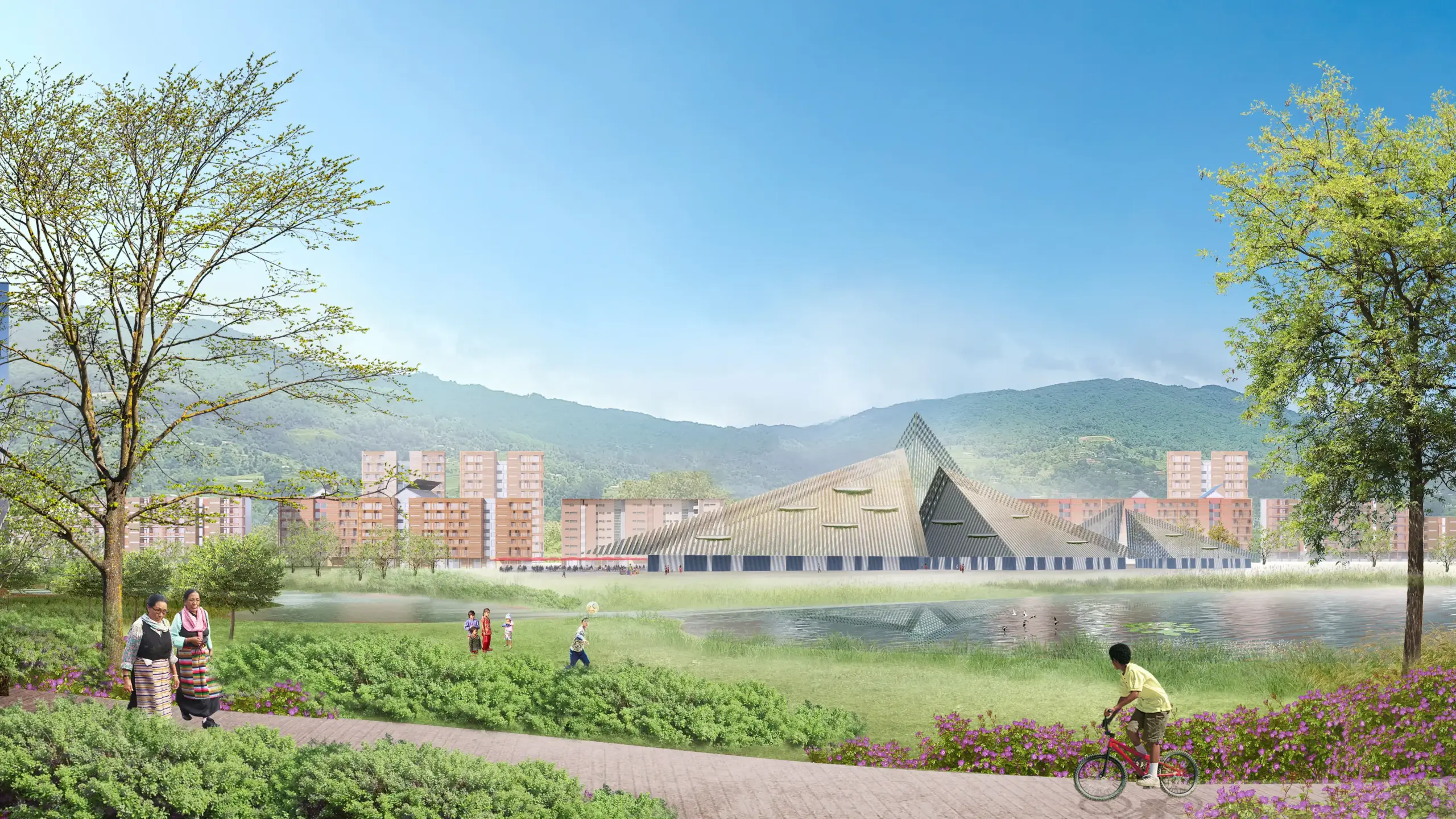
In many cities, the car has long been king. Streets are built for fast-moving traffic, and urban sprawl encourages long commutes and dependence on private vehicles. But as urban planners and architects begin to rethink how we build our cities, a new model is emerging: the walkable city. This model prioritizes pedestrians, cyclists, and public transport users, focusing on accessibility, connectivity, and sustainability.
Walkable cities aren’t just about getting from point A to point B. They are about fostering healthier, more connected communities where people can easily walk to work, visit their neighbors, or enjoy public spaces without the barrier of traffic. At the heart of this transformation is architecture, the way buildings are placed, how they interact with streets, and how spaces are designed to invite people to walk, cycle, or take transit.
The Role of Architecture in Urban Mobility
Architecture is integral to how a city functions and how people experience it. Buildings that face the street and feature active ground floors can create an engaging environment that encourages people to walk. When buildings are set back far from the sidewalk or are surrounded by parking lots, it disrupts the pedestrian experience, discouraging walking and making the space feel isolated.
Smart design decisions, made early on, can set the foundation for an active, people-centered city. By integrating pedestrian-friendly features into the urban fabric, architects help lay the groundwork for a shift in how people move through their communities.
Encouraging Active Transport Through Design
When cities are designed to be walkable, people are more likely to choose walking or cycling over driving. Thoughtful urban design encourages active transportation by reducing the need for cars and offering more sustainable, convenient options for daily travel.
Design features that encourage active transport include:
- Sidewalks and pedestrian routes that are safe, wide, and well-lit.
- Bike lanes and bike-sharing stations promote cycling as a viable alternative.
- Public transport hubs located within walking distance to reduce car dependency.
- Mixed-use developments that allow people to live, work, and shop all in the same area, minimizing the need for long drives.
These elements work together to create a connected, walkable network that supports healthier, more sustainable lifestyles.
Reducing Car Dependency with Human-Centered Spaces
In many cities, urban sprawl and car-centric designs lead to longer commutes, increased pollution, and a sense of disconnection. By placing people at the heart of design, cities can reduce car dependency, making transportation more inclusive and accessible.
Designing human-centered spaces involves:
- Street-facing buildings that encourage foot traffic and active engagement.
- Minimal parking structures or strategically placed parking to discourage unnecessary car use.
- Public spaces such as plazas, parks, and open-air markets serve as community hubs.
- Tree-lined streets and green spaces improve walkability and the overall urban environment.
By rethinking how we allocate space, architects can create neighborhoods where cars take a backseat to people, making cities more livable and fostering better community engagement.
Health and Community Benefits of Walkable Neighborhoods
Walkable cities offer more than just a convenient way to get around—they also support physical, mental, and social well-being. By making walking and cycling the easier choice, communities can enjoy significant health benefits, including:
- Improved cardiovascular health: More walking means fewer sedentary lifestyles and lower rates of obesity and heart disease.
- Better mental health: Walkable areas encourage outdoor activity, reduce stress, and promote social interaction.
- Stronger social connections: Walkable communities are more likely to foster meaningful interactions between neighbors, creating a sense of belonging.
- Cleaner air: Fewer cars on the road mean lower emissions and better air quality for everyone.
When cities are designed to encourage walking and cycling, they support a higher quality of life for all residents.
Examples of Walkable Cities That Inspire
Several cities across the globe have embraced walkability as a core principle, and their success stories provide valuable insights. Cities like Copenhagen, Portland, and Melbourne have integrated walkable designs into their urban planning, and the results speak for themselves:
- Copenhagen, Denmark: Widely known for its cycling culture and pedestrian-friendly streets, Copenhagen has become a model for sustainable urban design.
- Portland, Oregon (USA): Portland prioritizes transit-oriented development and green spaces, making it one of the most walkable cities in the United States.
- Melbourne, Australia: Melbourne’s urban planning emphasizes the pedestrian experience, with laneways, green parks, and an integrated public transport system.
These cities demonstrate that prioritizing walking and cycling can lead to more vibrant, healthier urban environments.
Key Design Principles for Walkable Communities
To create truly walkable cities, architects and urban planners should consider several core design principles:
- Mixed-use zoning to reduce the need for long commutes.
- Compact building designs and smaller blocks make walking more efficient.
- Safe, accessible sidewalks and pedestrian paths to enhance safety and ease of movement.
- Public spaces that encourage social interaction and community engagement.
- Efficient public transport systems that are easily accessible to residents.
Each of these design elements helps to foster a community where walking, cycling, and using public transport are the natural choices.
Conclusion
The future of urban living lies in designing cities that prioritize people over cars. Architecture plays a key role in shaping the way we live and move through our cities. By incorporating pedestrian-friendly features, reducing car dependency, and creating spaces that encourage walking and cycling, we can build healthier, more connected communities.
As cities around the world embrace the concept of walkability, the impact will be felt not just in reduced pollution and congestion but in the improved quality of life for all residents. Thoughtful architecture can help us achieve that future, one where people are at the center of urban design.